Quick Facts
- Deep Sleep Boost: Morning workouts at 7 am can increase deep sleep stages by up to 75%.
- Melatonin Shift: Early exercise helps the body advance melatonin secretion by 0.62 hours, promoting earlier sleep onset.
- Cooling Window: The body needs a 30 to 120 minute window for core body temperature to stabilize after physical activity.
- Fatigue Reduction: People who maintain consistent workout routines are 50% less likely to suffer from daytime fatigue.
- Recovery Risk: Strenuous activity within four hours of bed is linked to a 5.4 percent reduction in total sleep duration.
- Heart Health: Morning movement is specifically linked to a healthier drop in nighttime blood pressure.
Workout timing significantly influences sleep architecture and recovery; while morning exercise is the gold standard for deep sleep, strategic late night exercise recovery can work if you manage thermoregulation. The best time to workout for sleep is generally in the morning to align with your natural circadian rhythm, though moderate evening activity can be managed with proper cooling strategies.
The Circadian Connection: Why Timing Matters
In the world of preventive health, we often talk about what we do, but rarely about when we do it. Your body operates on a master clock known as the circadian rhythm, which dictates everything from your metabolic rate to your cortisol regulation throughout the twenty-four-hour cycle. When we exercise, we aren't just burning calories; we are sending a powerful signal to this internal clock.
Physical activity serves as a zeitgeber—an external cue that helps synchronize our biological rhythm. When you engage in benefits of outdoor morning exercise for circadian health, the combination of movement and natural light exposure helps anchor your melatonin secretion for later that evening. This synchrony ensures that when your head hits the pillow, your parasympathetic nervous system is ready to take over, shifting you from a state of high alert into the deep, restorative stages of sleep. Conversely, poorly timed activity can create a phase shift, pushing your natural sleep window later and making it harder to wake up the next morning.
Morning Workouts: Maximizing Restorative Sleep
If your primary goal is sleep optimization, the evidence points toward the early hours. Research has shown that those who hit the treadmill or the yoga mat at 7:00 AM experience more significant benefits in their sleep architecture than those who train later in the day. Specifically, morning exercisers often see a 75% increase in time spent in deep, slow-wave sleep.
This early movement facilitates a healthy drop in nighttime blood pressure and helps build a stronger homeostatic sleep drive. By starting your activity early, you are essentially "loading" your sleep pressure throughout the day. By the time evening arrives, your body is physiologically prepared for repair. This is how morning workouts improve restorative sleep stages, as they allow the heart rate and core temperature to reach their lowest points during the most critical hours of the night.

Late Night Exercise Recovery: Managing the Heat
Life doesn't always accommodate a sunrise sweat session. For many of my readers, the evening is the only time available for self-care. However, we must address the sleep-sabotage risk of intense training too close to lights out. A study found that strenuous exercise ending within four hours of bedtime is associated with a 5.4 percent reduction in sleep duration and impaired nocturnal autonomic function.
The primary culprit is thermoregulation. To fall asleep, your core body temperature must drop by about one to two degrees. Vigorous activity elevates this temperature, and it can take several hours to return to baseline. If you find yourself lying awake after a late session, you are likely experiencing a delay in melatonin secretion and a higher sleep onset latency. To mitigate this, focus on strategies for cooling core body temperature after late workouts, such as taking a lukewarm shower or practicing gentle stretching to encourage the transition to a parasympathetic state.

| Metric | Morning Exercise (6:00 - 9:00 AM) | Evening Exercise (After 7:00 PM) |
|---|---|---|
| Deep Sleep Impact | Significant increase (up to 75%) | Neutral to slight decrease |
| Body Temperature | Peaks early, cools by bedtime | Stays elevated during sleep onset |
| Melatonin Timing | Advanced (earlier sleepiness) | Potential delay (later sleepiness) |
| Blood Pressure | Higher nighttime reduction | May remain elevated for 2-3 hours |
| Best Intensity | High-intensity / Cardio | Low to Moderate / Strength |
Personalizing Your Schedule: Chronotypes and Training
While general guidelines are helpful, the effect of high intensity evening workouts on nocturnal recovery often depends on your individual chronotype. Are you a Morning Lark or a Night Owl? This biological predisposition determines how your body reacts to the timing of physical stress.
For example, athletes with an early-morning chronotype experience lower sleep efficiency and longer sleep onset latency when high-intensity training is performed in the evening. On the other hand, Night Owls might find they have a higher tolerance for later sessions, though they still face the hurdle of lowering nocturnal heart rate following evening physical activity. If your schedule forces you to be an early bird, be cautious: collegiate athletes scheduled for early morning training before 7:00 AM record significantly less total sleep time and report lower perceived recovery statuses compared to non-training days. The key is adjusting workout timing based on sleep chronotype to ensure you aren't sacrificing the very rest your body needs to rebuild.

Biometric Monitoring: Using Wearables to Guide Your Load
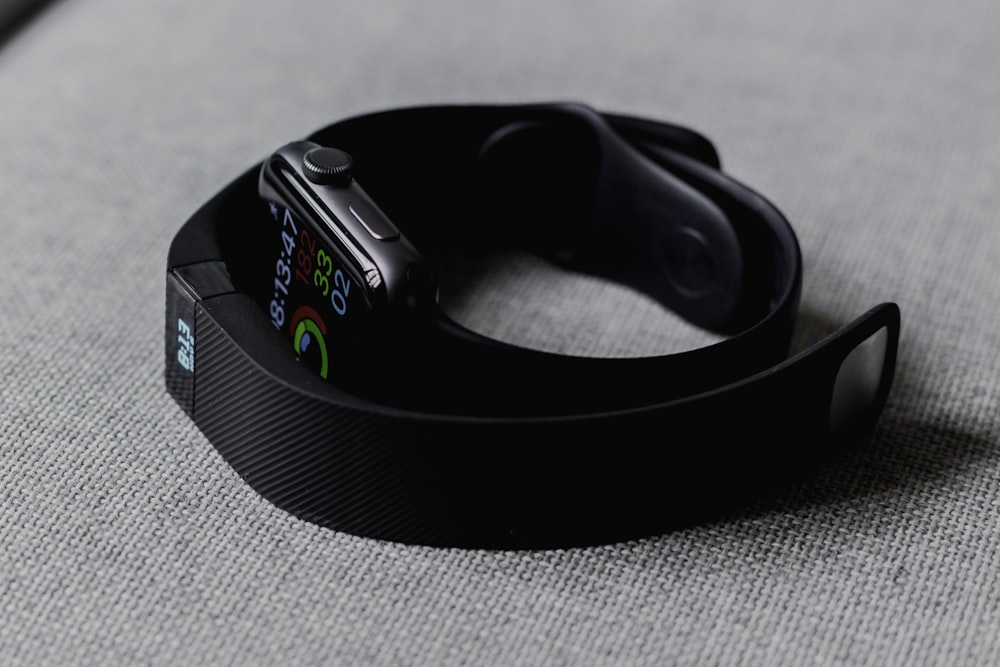
In my practice, I encourage a shift toward Recovery-as-Programming. Instead of following a rigid calendar, use your own data to decide when to push and when to pivot. Most modern wearables provide insights into heart rate variability and sleep architecture, which are the ultimate barometers of exercise and sleep quality.
If you notice your heart rate variability is consistently low on mornings following an evening lift, your body is telling you that the late night exercise recovery period was insufficient. You might see that your resting heart rate stays five to ten beats higher than usual, indicating that your heart spent the night working instead of resting. By monitoring these biometrics, you can determine if you need to shift your intensity or allow for a longer cooling window before bed.
Biometric Checklist for Recovery:
- Check if your heart rate drops to its lowest point in the first half of the night.
- Monitor your deep sleep percentage; it should ideally be 15-25% of your total sleep.
- Look for a "balanced" HRV score, which indicates your nervous system is recovered.
- Track your sleep onset latency; ideally, you should fall asleep within 15-20 minutes.
FAQ
Can workout timing impact sleep quality?
Yes, workout timing plays a major role in the quality and structure of your rest. Morning sessions generally enhance deep sleep stages and promote a healthy circadian rhythm, while high-intensity sessions very late at night can disrupt your body's ability to cool down and enter restorative sleep.
Is it better to work out in the morning or at night?
For most people focusing on preventive health and sleep, morning is the best time to workout for sleep. It helps synchronize the biological clock and supports a natural drop in blood pressure. However, the most effective time is ultimately the one you can stick to consistently, provided you manage the recovery window.
How many hours before bed should you stop exercising?
Ideally, you should finish high-intensity exercise at least three to four hours before you intend to sleep. This provides enough time for your heart rate variability to stabilize and your core body temperature to drop, which is essential for triggering melatonin production.
Is it okay to work out late at night?
It is acceptable to work out late if you focus on moderate intensity or low-impact movements like yoga or light strength training. If you must do a vigorous session, ensure you utilize cooling strategies like a cool bath and avoid blue light exposure immediately afterward to protect your sleep onset.
What is the most effective time of day to exercise?
Research suggests that a window between 10:00 AM and 12:00 PM offers a great balance for many, providing the circadian benefits of morning light without the potential sleep deprivation associated with very early 6:00 AM sessions. However, the best time is the one that aligns with your personal chronotype and allows for at least seven hours of total sleep.
Conclusion & Training Strategy
Optimizing your workout timing is a powerful act of self-care. While we often obsess over the duration of our sets or the weight on the bar, the time of day we choose to move is a critical lever for long-term wellness. By prioritizing morning movement, especially in natural light, you help your body master its chronobiology and unlock deeper, more restorative sleep.
If evening sessions are your only option, don't despair. Simply shift your focus toward lowering nocturnal heart rate and managing heat. Prioritize consistency over perfection, and use your body's own data to guide your routine. Remember, exercise is a tool for life—not a tax you pay at the expense of your recovery.