Quick Facts
- The Risk: Clinical data indicates that up to 40% of the weight lost on semaglutide can be lean body mass rather than fat.
- The Signal: Resistance training provides the necessary anabolic stimulus to tell your body to keep muscle while burning fat.
- Frequency: You should aim for a minimum of two to three strength sessions per week to see results.
- Weight Loss Velocity: Try to keep total weight loss under 2 lbs per week to avoid rapid muscle wasting.
- Protein Goal: Consuming 1.2 to 1.6g of protein per kilogram of body weight is critical for muscle preservation.
- Routine Focus: Prioritize compound lifts like squats and presses to engage the maximum number of muscle fibers.
GLP-1 strength training is essential for preventing sarcopenia, or the loss of lean muscle mass, during rapid weight loss. Resistance training sends an anabolic stimulus to the body, signaling it to preserve muscle tissue while prioritizing fat loss. Maintaining muscle supports a higher basal metabolic rate and functional mobility, which helps prevent weight regain and ensures long-term physical health.
The Biological Why: Stopping Muscle Wasting on Semaglutide
When you step on the scale and see the numbers dropping rapidly, it feels like a victory. However, if you are not engaging in GLP-1 strength training, that victory might be hollow. Medications like semaglutide and tirzepatide are incredibly effective at reducing appetite and slowing gastric emptying, which leads to a significant caloric deficit. The problem is that in a deep caloric deficit, your body doesn’t just burn fat; it often looks to your muscle tissue for energy.
The medical community is raising alarms about this trend. Clinical trial data from the STEP 1 study revealed that approximately 35% to 40% of the total weight loss in patients taking semaglutide was lean body mass rather than fat mass. To put that into perspective, losing that much muscle in a year can be the equivalent of 10 years of biological aging in terms of physical strength and metabolic health. When you lose muscle, your basal metabolic rate drops. This makes it much harder to maintain your new weight once you stop the medication or reach a maintenance dose.
Medical research suggests that without structured resistance training and adequate protein intake, individuals using GLP-1 receptor agonists can lose between 25% and 30% of their total weight as lean muscle tissue. This is why preventing muscle loss on GLP-1 is not just an aesthetic choice; it is a metabolic necessity. By providing a mechanical load through resistance training for weight loss medication users, you create a physiological environment that favors muscle preservation. You are essentially telling your body that this tissue is "in use" and cannot be harvested for fuel.

The GLP-1 Strength Training Routine: A Tiered Approach
To combat the risk of muscle wasting, you need a weight lifting routine for muscle preservation that is efficient and sustainable. You do not need to spend two hours in the gym every day. In fact, when dealing with the reduced caloric intake common with these drugs, shorter and more intense sessions are often better. The following routines focus on compound lifts—movements that use multiple joints and muscle groups—to provide the highest return on your investment.
At-Home Barrier-Free Routine
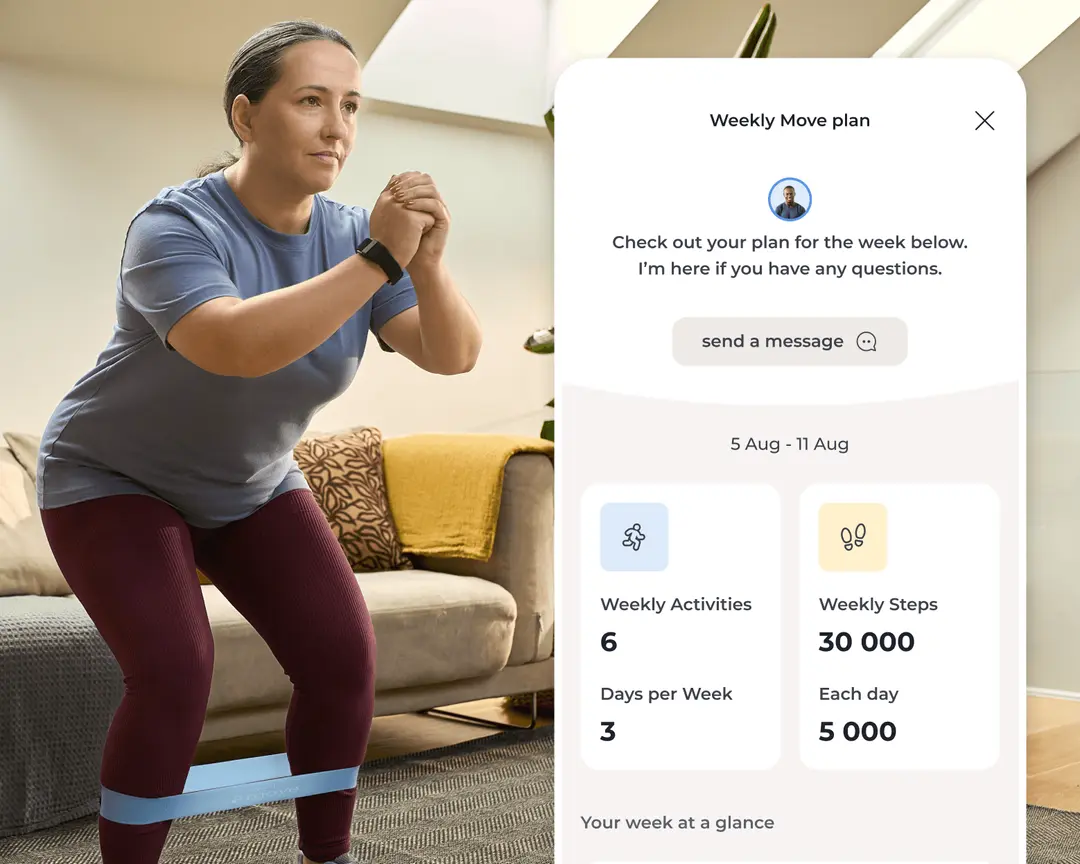
If you are just starting out or prefer to exercise in private, at home strength training without equipment for GLP-1 users is a great starting point. The focus here is on functional mobility and using your own body weight to create tension. You can also use resistance bands to increase the difficulty as you get stronger.
- Bodyweight Squats: 3 sets of 12-15 reps. Focus on sitting back into your heels and keeping your chest up.
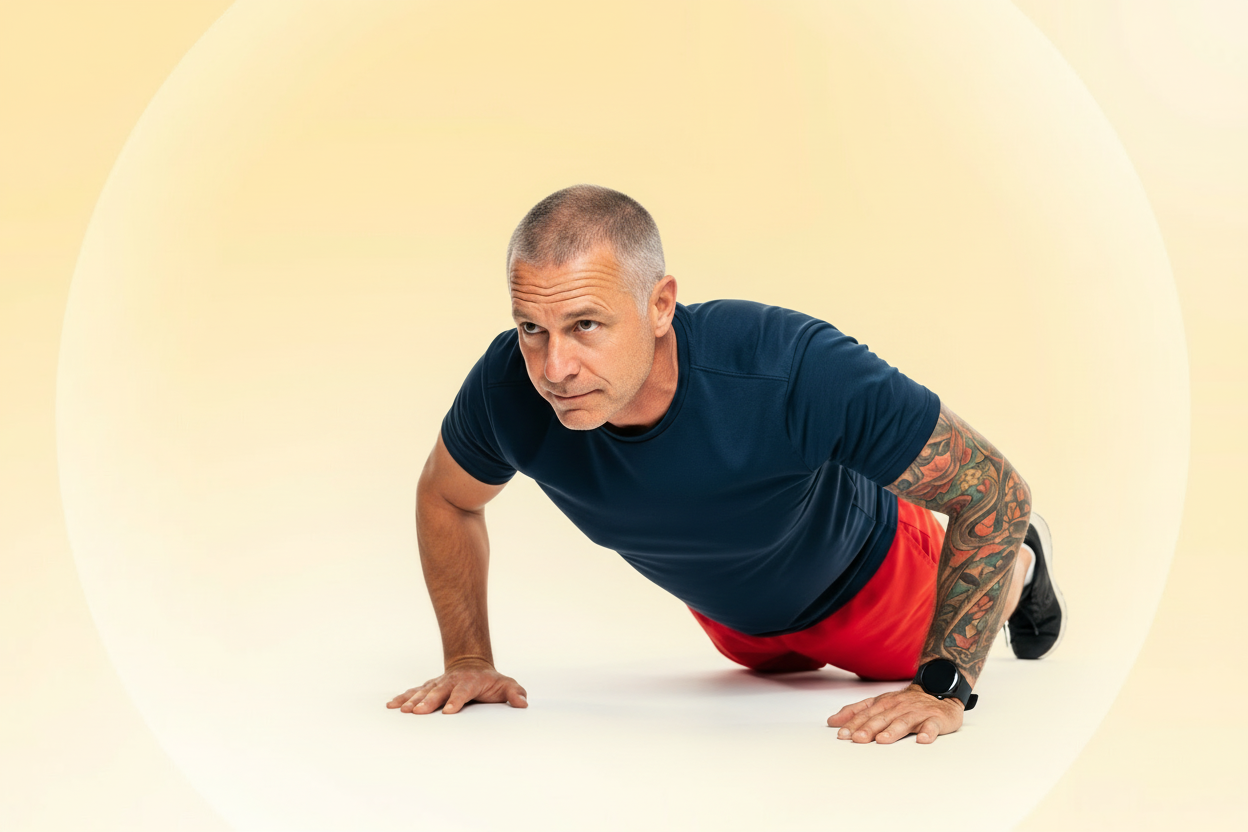
- Incline Push-ups: 3 sets of 10-12 reps. Use a sturdy kitchen counter or a sofa to reduce the load until you can do them on the floor.
- Glute Bridges: 3 sets of 15 reps. Squeeze your glutes at the top to engage the posterior chain.
- Bird-Dogs: 3 sets of 10 reps per side. This improves core stability and functional mobility.
- Resistance Band Rows: 3 sets of 12 reps. Wrap a band around a sturdy post or door handle to work your back muscles.
Gym-Based Compound Lifts
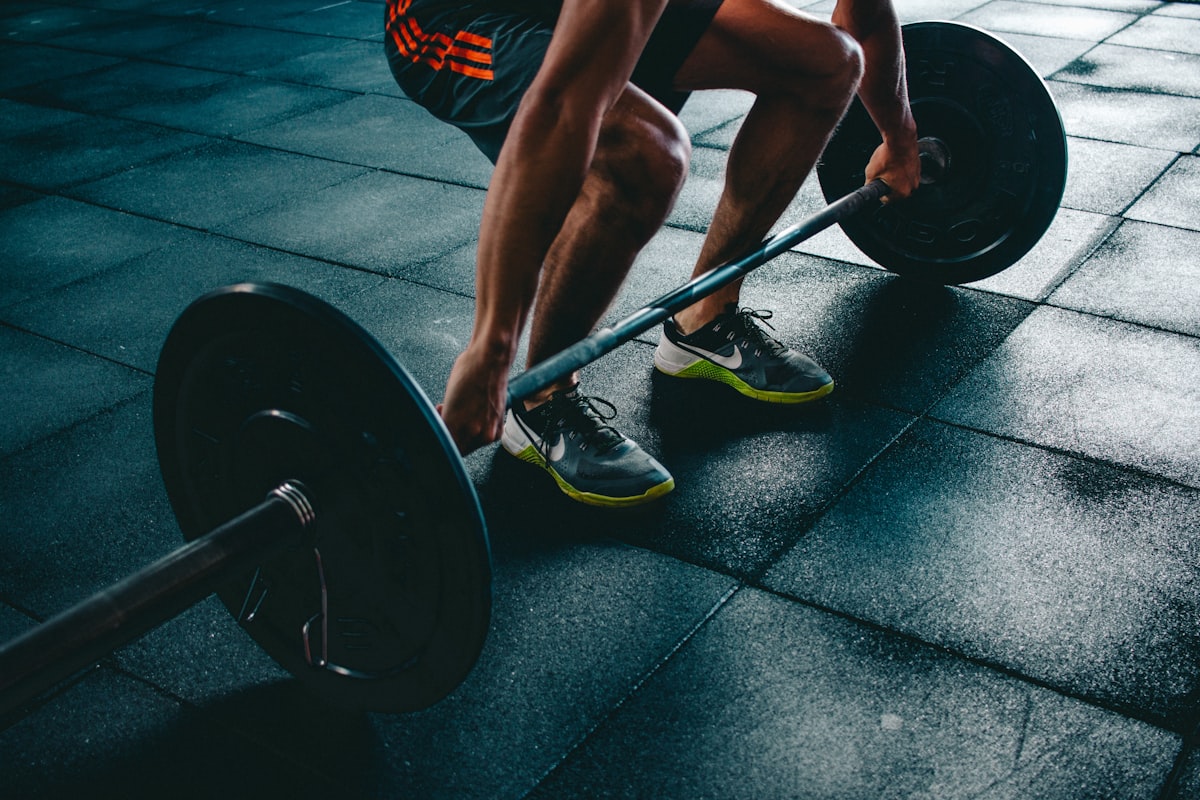
For those with access to a gym, using free weights or machines allows for better progressive overload. This is the gold standard for preventing muscle wasting on GLP-1 with compound lifts. By gradually increasing the weight you lift, you ensure your muscle tissue remains under enough stress to trigger hypertrophy.
- Goblet Squats or Barbell Squats: 3 sets of 8-10 reps. Squats are the king of exercises for building lean body mass.
- Deadlifts (Dumbbell or Barbell): 3 sets of 6-8 reps. This targets your entire posterior chain and is essential for bone density.
- Overhead Press: 3 sets of 10 reps. Focus on a controlled eccentric loading phase—lowering the weight slowly—to maximize muscle fiber recruitment.
- Dumbbell Chest Press: 3 sets of 10 reps. This builds the chest, shoulders, and triceps.
- Lat Pulldowns or Pull-ups: 3 sets of 10 reps. Essential for maintaining a healthy posture and upper body strength.
When deciding how many days a week to lift weights on GLP-1, the sweet spot for most people is three non-consecutive days (e.g., Monday, Wednesday, Friday). This allows for adequate recovery, which is vital when your body is already under the stress of a medication-induced caloric deficit.
Side Effect Survival Guide: Training Through Fatigue and Nausea
One of the biggest hurdles for patients on semaglutide or tirzepatide is the side effects. Nausea, fatigue, and occasional dizziness can make the idea of hitting the gym feel impossible. However, modifying strength workouts for GLP-1 fatigue and side effects is better than skipping them entirely.
If you are feeling drained, try "micro-dosing" your movement. Instead of a 45-minute session, break it into three 15-minute blocks throughout the day. Focus on the best strength training exercises for GLP-1 weight loss that require the least amount of setup, such as air squats or lunges.
You should also pay close attention to your rest intervals. If you feel dizzy, double your rest time between sets to 120 or 180 seconds. This allows your heart rate to stabilize and your blood sugar to level out. Staying hydrated with electrolytes is also non-negotiable, as GLP-1 drugs can sometimes lead to dehydration, which exacerbates fatigue.
Fueling the Signal: Protein and Macronutrient Balance
Training provides the "work order" for your muscles, but protein is the "raw material" needed to complete the job. To support myofibrillar protein synthesis, you must prioritize high protein intake alongside your resistance training. Without it, your body will still break down muscle tissue to meet its amino acid requirements, regardless of how much you lift.
The current recommendation for those on GLP-1 medications is a daily protein intake and strength training for GLP-1 muscle maintenance that targets 1.2 to 1.6 grams of protein per kilogram of body weight. Because these drugs suppress appetite, you may find it difficult to eat large meals. Focus on high-quality, lean sources like chicken, fish, Greek yogurt, or whey protein shakes.
| Body Weight (kg) | Body Weight (lbs) | Daily Protein Goal (1.2g/kg) | Daily Protein Goal (1.6g/kg) |
|---|---|---|---|
| 70 kg | 154 lbs | 84 g | 112 g |
| 90 kg | 198 lbs | 108 g | 144 g |
| 110 kg | 242 lbs | 132 g | 176 g |
| 130 kg | 286 lbs | 156 g | 208 g |
By maintaining this macronutrient balance, you ensure that the anabolic stimulus from your weight lifting routine for muscle preservation actually results in tissue retention. Aim to have a protein-rich snack or meal within two hours of your workout to maximize the recovery window.
FAQ
Why is strength training important when taking GLP-1 medications?
Strength training is vital because rapid weight loss from GLP-1 drugs often includes a high percentage of muscle loss. By performing resistance exercises, you signal to your body to preserve lean body mass, which keeps your basal metabolic rate high and prevents the "skinny fat" look or metabolic slowdown that can lead to weight regain.
Does GLP-1 cause muscle loss during weight loss?
The medications themselves do not directly attack muscle, but the significant caloric deficit they create can cause the body to break down muscle tissue for energy. Clinical data shows that without intervention, 25% to 40% of weight lost on these drugs can be muscle rather than fat.
How can I prevent muscle loss while on a GLP-1?
You can prevent muscle loss by combining consistent resistance training (at least 2-3 times per week) with a high-protein diet. Focusing on compound lifts and ensuring you are not losing more than 1-2 pounds per week will help prioritize fat loss while protecting your muscles.
Can you build muscle while taking GLP-1 drugs?
It is possible to build muscle, especially if you are a beginner or have a high starting body fat percentage. However, the primary goal for most people on these medications should be muscle preservation. Building significant new muscle requires a caloric surplus, which is the opposite of how GLP-1 drugs work.
How often should I do strength training on a GLP-1?
Most experts recommend two to three full-body strength training sessions per week. This frequency is enough to provide the necessary anabolic stimulus without overtaxing your recovery systems while you are in a caloric deficit.
Should I eat more protein if I strength train on GLP-1?
Yes, protein is essential for repairing the muscle damage caused by strength training. Aiming for 1.2 to 1.6 grams of protein per kilogram of body weight ensures your body has the building blocks it needs to maintain muscle tissue during weight loss.
Strength training is not an optional "extra" when you are using GLP-1 medications; it is the foundation of a healthy transformation. By committing to a simple, consistent routine and fueling your body with the protein it needs, you ensure that the weight you lose stays off and that the body you build is strong, functional, and metabolically healthy.