Quick Facts
- The Gold Standard: Utilize loads exceeding 85% 1RM to achieve maximal potentiation.
- The Window: A rest interval of 4-8 minutes serves as the optimal period for neural recovery.
- The Result: Systematic implementation can lead to a 42% increase in anaerobic power over a 12-week training cycle.
- The Target: Specific activation of high-threshold motor units and Type II muscle fibers.
- The Protocol: Pair a heavy compound lift with a biomechanically similar explosive movement.
CNS priming is a neuromuscular strategy used to prepare the central nervous system for high-intensity physical activity. By utilizing specific warm-up movements, athletes can trigger post-activation potentiation, which increases the recruitment of high-threshold motor units and enhances the rate of force development. This process ensures the brain and muscles communicate efficiently, allowing for greater speed and strength during a training session.
The Physiology of Power: Understanding PAP
To truly unlock explosive power, we have to look past the muscle tissue and focus on the command center: the nervous system. The phenomenon we are leveraging is known as post-activation potentiation, or PAP. This isn't just a standard warm-up; it is a sophisticated biochemical trigger. When you subject a muscle to a heavy load or a high-intensity contraction, you initiate the phosphorylation of myosin light chains. This process makes the actin and myosin filaments within your muscle fibers more sensitive to calcium ions, which are the primary drivers of muscle contraction.
This increased sensitivity means that for a period following a heavy lift, your muscles are primed to contract more forcefully and more rapidly. However, the challenge for any elite athlete is managing the relationship between neural drive and muscular fatigue. If you lift too heavy for too long, fatigue will mask the benefits of potentiation. But if you hit the "sweet spot"—typically defined as a low-volume, high-intensity stimulus—you maximize the recruitment of Type II muscle fibers without exhausting the system. This state allows for a superior stretch-shortening cycle, enabling you to move faster and hit harder than you could with a traditional warm-up.
Beyond the biochemistry, CNS priming improves your intramuscular coordination. You are essentially clearing the lines of communication between your motor cortex and your peripheral nerves. By providing a potentiating stimulus early in the session, you reduce neural inhibition. Your brain stops "braking" the movement and starts facilitating a higher peak power output.

Step-by-Step: The Perfect CNS Priming Routine
Establishing an effective CNS priming routine requires a shift in mindset. We are no longer just "getting warm"; we are preparing for battle at the neurological level. The goal is to move along the force-velocity curve from high force to high velocity. Research suggests that specific priming protocols involving back squats at 85% 1RM can significantly improve sprint speed and jump height when measured in the hours following the stimulus.
A1. General Dynamic Warm-up: Spend 5-10 minutes on movements that increase blood flow and joint mobility. Aim for an RPE of 5-6. Think leg swings, cat-cow, and light jogging. A2. Neuromuscular Activation Exercises: This is where the real CNS priming begins. You want to choose movements that mirror your primary lifts but emphasize speed.
To maximize neural efficiency, use the following Mechanism-to-Movement table to select your priming pairs:
| Primary Lift Goal | Recommended CNS Priming Movement | Intensity/Volume |
|---|---|---|
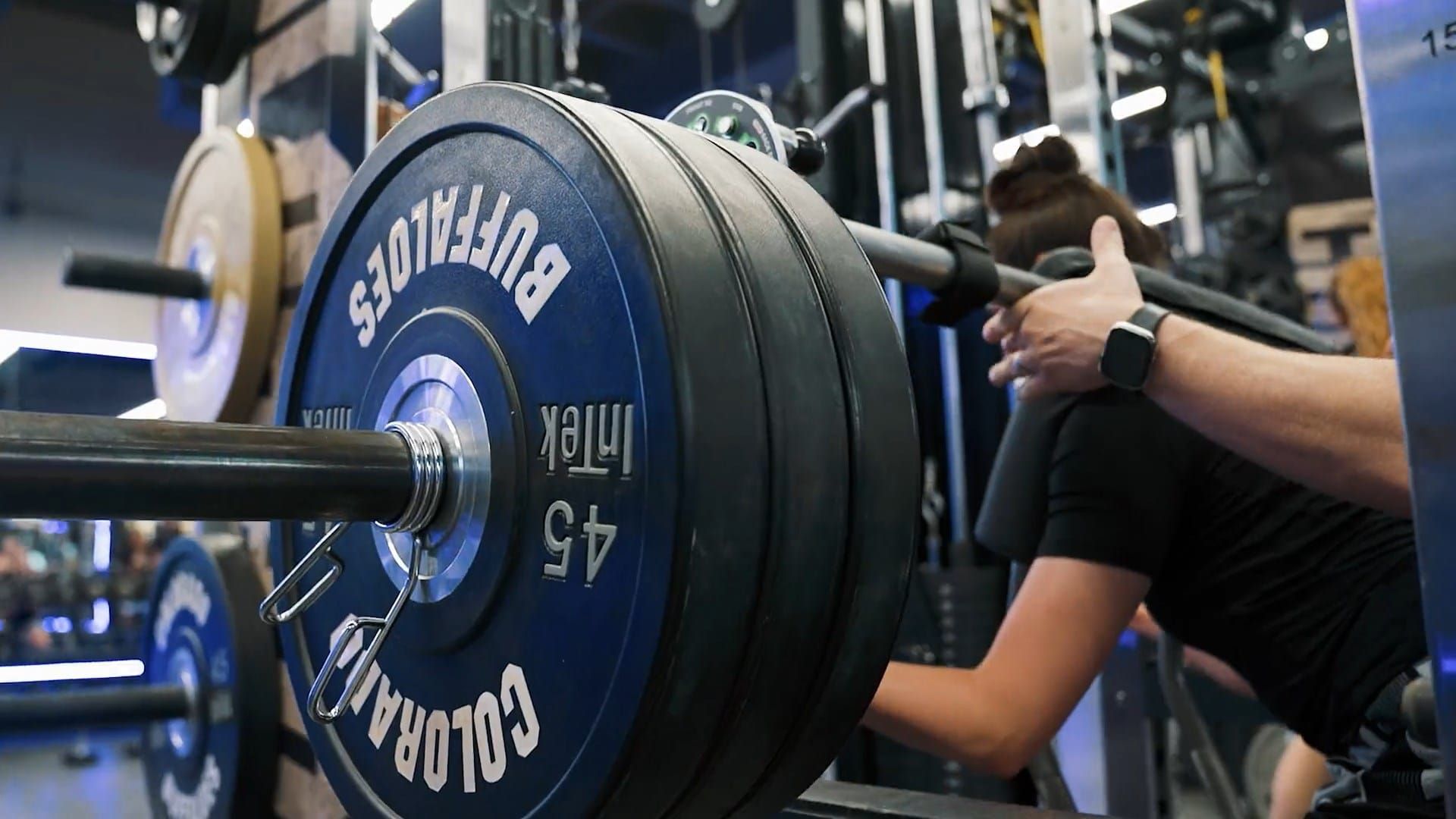
| Max Effort Squat | Vertical Box Jump or Depth Jump | 2 Sets x 3 Reps |
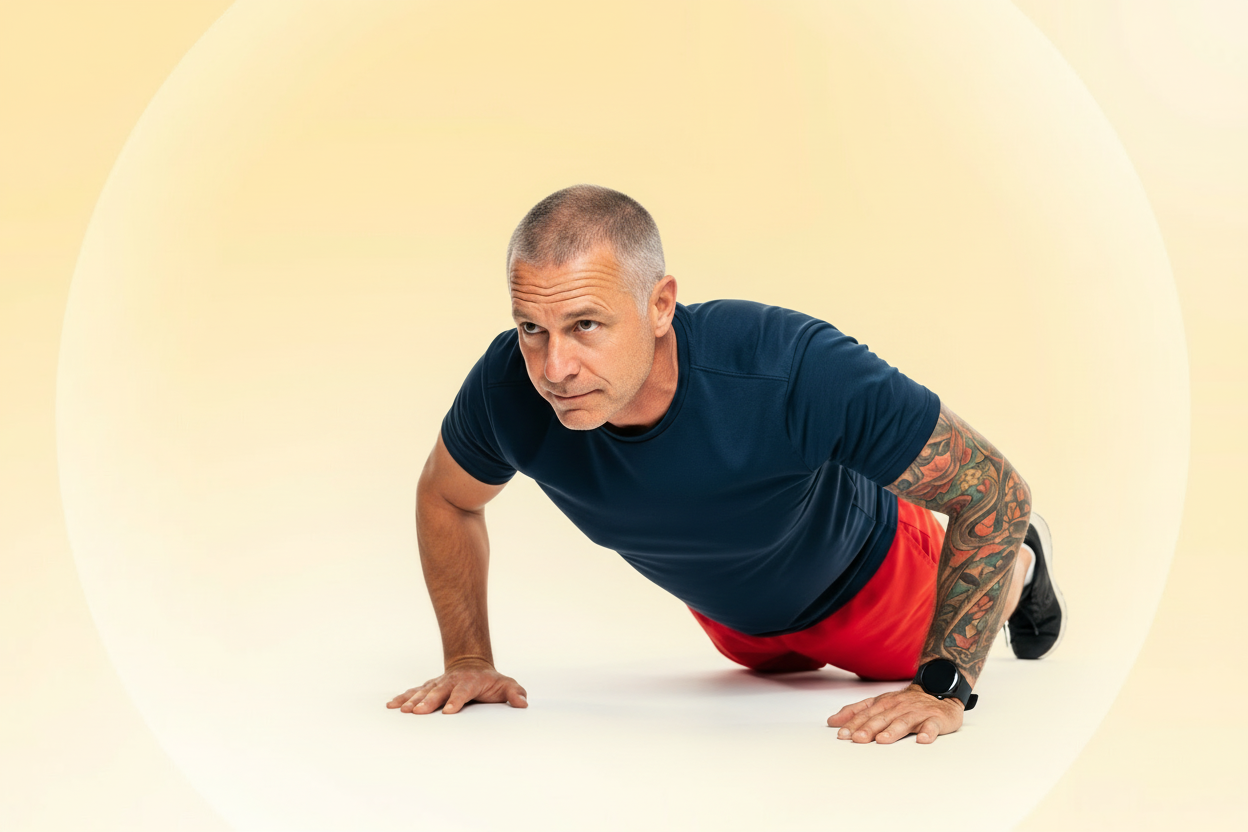
| Max Effort Bench Press | Plyometric Push-up or Med Ball Chest Pass | 2 Sets x 5 Reps |
| Max Effort Deadlift | Heavy Kettlebell Swing or Broad Jump | 2 Sets x 4 Reps |
| Olympic Clean | Banded Snap-Downs or High Pulls | 2 Sets x 3 Reps |
The most critical factor in this phase is the rest interval. Studies on post-activation potentiation indicate that an optimal rest interval of 3 to 12 minutes after a heavy-load conditioning exercise is required to achieve a significant increase in muscle power. If you jump into your working sets too quickly, the residual fatigue from the priming movement will hinder your performance. This is a game of patience and precision.
Advanced Strategy: French Contrast Training (FCT)
If you are an advanced athlete looking for a more aggressive post-activation potentiation protocol for athletes, French Contrast Training is the gold standard. Developed by French track coach Gilles Cometti and popularized by Cal Dietz, FCT pushes the nervous system to its absolute limit by attacking the entire velocity spectrum in a single circuit. This method is designed to maximize the rate of force development by alternating between high-load and high-velocity movements.
The FCT circuit typically follows a four-part structure:
B1. Heavy Compound Lift: Perform a movement like a back squat or deadlift at 85%+ 1RM. This provides the heavy potentiating stimulus. B2. Force-Oriented Plyometric: Immediately follow with a high-impact movement like a hurdle hop or a depth jump. B3. Speed-Oriented Loaded Jump: Use a light load (like a 20lb weighted vest or dumbbells) for a jump squat to maintain high power output under moderate resistance. B4. Assisted or Overspeed Movement: Finish with an assisted jump (using bands) or an overspeed sprint to train the brain to handle velocities beyond your unassisted capacity.
This method works because it forces the nervous system to adapt to different points on the force-velocity curve rapidly. By the time you reach the fourth movement, your brain is firing so rapidly that the assisted movement feels effortless. This is the ultimate tool for CNS priming for vertical jump performance. It teaches your body how to transition from heavy strength to pure, unadulterated speed.

Balancing the Nervous System: Safety and Recovery
While the benefits of CNS priming are undeniable, it is easy to overstep. The goal is activation, not exhaustion. If you find your strength decreasing during your main sets, you have likely over-primed or failed to give yourself enough rest. You must monitor your neural drive closely. High-threshold motor unit recruitment is a demanding process for the brain; it is not something that can be sustained at peak levels every single day.
To maintain long-term neural health, consider these three pillars:
- Manage Volume: Keep your CNS priming sessions short. You only need a few high-quality reps to "wake up" the nervous system.
- Proprioceptive Feedback: Perform your neuromuscular warm up for maximum strength in minimalist footwear or even barefoot when safe. This increases sensory input from the feet, providing better data to the brain for stability and power.
- Post-Workout Downregulation: After a session characterized by high CNS activation, you must transition your body back to a parasympathetic state. Spend 5 minutes on box breathing or static stretching to signal to your nervous system that the "threat" is over and recovery can begin.
If you consistently feel "wired but tired" or notice a drop in your explosive power warm-up performance, it may be a sign of neural inhibition. In these cases, dial back the intensity for a week and focus on movement quality over raw power.
FAQ
What is CNS priming?
CNS priming is a training strategy used to excite the central nervous system before a high-intensity workout or competition. It involves performing low-volume, high-intensity movements that trigger post-activation potentiation, making your muscles more responsive and capable of generating higher force and speed.
How do you prime your central nervous system before a workout?
To prime your CNS, start with a general dynamic warm-up to raise your core temperature. Then, perform 1-2 sets of an explosive movement that mimics your main lift of the day, such as a box jump before squatting or a medicine ball slam before overhead pressing. Ensure the intensity is high (around 80-90% of maximal effort) but the volume is very low to avoid fatigue.
What are the benefits of CNS priming?
The primary benefits include increased motor unit recruitment, improved rate of force development, and enhanced neuromuscular efficiency. By priming the system, you can lift heavier loads, jump higher, and sprint faster during your training session while also improving the mind-muscle connection.
How long does the effect of CNS priming last?
The effects of CNS priming, specifically the PAP window, typically peak between 4 to 12 minutes after the stimulus. However, research indicates that some level of potentiation can persist for anywhere from 2 to 48 hours depending on the athlete's training status and the protocol used.
What is the difference between a warm-up and CNS priming?
A traditional warm-up focuses on increasing blood flow, body temperature, and joint range of motion. CNS priming specifically targets the nervous system's ability to recruit Type II muscle fibers. While a warm-up prepares the "hardware" (muscles and joints), priming prepares the "software" (the brain and neural pathways).
Can CNS priming improve athletic performance?
Yes. By enhancing the speed at which your brain communicates with your muscles, CNS priming allows you to express your true strength and power potential. It is a proven method for athletes in sports requiring explosive movements, leading to measurable gains in vertical jump height, sprinting speed, and one-rep max strength.