Quick Facts
- The 10k Origin: The 10,000-step goal was a 1965 marketing campaign for the Manpo-kei pedometer, not a medical recommendation.
- Intensity Benchmark: 100 steps per minute is the scientific threshold for moderate-intensity exercise and is the standard for defining brisk walking pace.
- Longevity Sweet Spot: Research shows that 7,000 steps daily offers a 50-70% reduction in premature death risk, often matching the benefits of higher volumes.
- Time Efficiency: Just 30 minutes of daily brisk walking provides comparable cardiovascular benefits to much longer, slower sessions.
- Direct Answer: While 10,000 steps is a common benchmark, research indicates that intensity often outweighs volume for health improvements. Taking 7,000 brisk steps with purpose can provide significant cardiovascular benefits and a lower risk of chronic disease compared to a higher volume of leisurely walking.
While 10,000 steps is a common benchmark, research indicates that intensity often outweighs volume for health improvements. Taking 7,000 brisk steps with purpose can provide significant cardiovascular benefits and a lower risk of chronic disease compared to a higher volume of leisurely walking. Brisk walking benefits extend beyond mere calorie burning, acting as a powerful intervention for metabolic health and long-term vitality.
The 10,000-Step Myth vs. Modern Science
For decades, the fitness industry has treated the 10,000-step goal as an absolute requirement for health. However, as an editor focused on longevity, I find it vital to clarify that this number was never born in a lab. It originated in Japan in 1965 as a marketing slogan to sell the Manpo-kei pedometer. The name translates to 10,000-step meter, chosen because the character for 10,000 looks like a person walking. It was a brilliant marketing campaign, but it was not clinical data.
Modern sports medicine is now shifting the focus from total volume to walking intensity vs volume. If you spend your day taking 10,000 slow, leisurely steps around your house or office, you are certainly better off than being completely sedentary. However, you aren't necessarily stressing your cardiovascular system enough to trigger meaningful adaptations. To improve longevity markers, the body requires a specific level of physiological stress.
Recent data suggests that we need to stop obsessing over the odometer and start looking at the speedometer. Science now highlights that sedentary lifestyle mitigation isn't just about moving more; it is about moving with enough vigor to improve metabolic health and respiratory efficiency.
Defining Brisk Walking Pace: How to Measure Intensity
To reap the full brisk walking benefits, you must move fast enough to reach a moderate-intensity zone. But what exactly does that mean for the average man looking to optimize his routine? The scientific consensus points toward step cadence as the most reliable metric.
Research suggests that a cadence of 100 steps per minute serves as the floor for moderate-intensity activity. If you are walking at this rate, you are likely engaging your aerobic system. Beyond counting steps, you can use the Talk Test to gauge your rate of perceived exertion. During a brisk walk, you should be able to carry on a conversation in full sentences, but you should be breathless enough that you cannot sing a song.
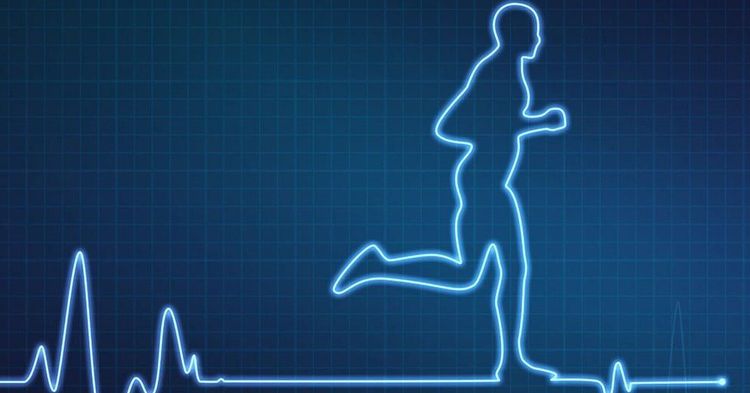
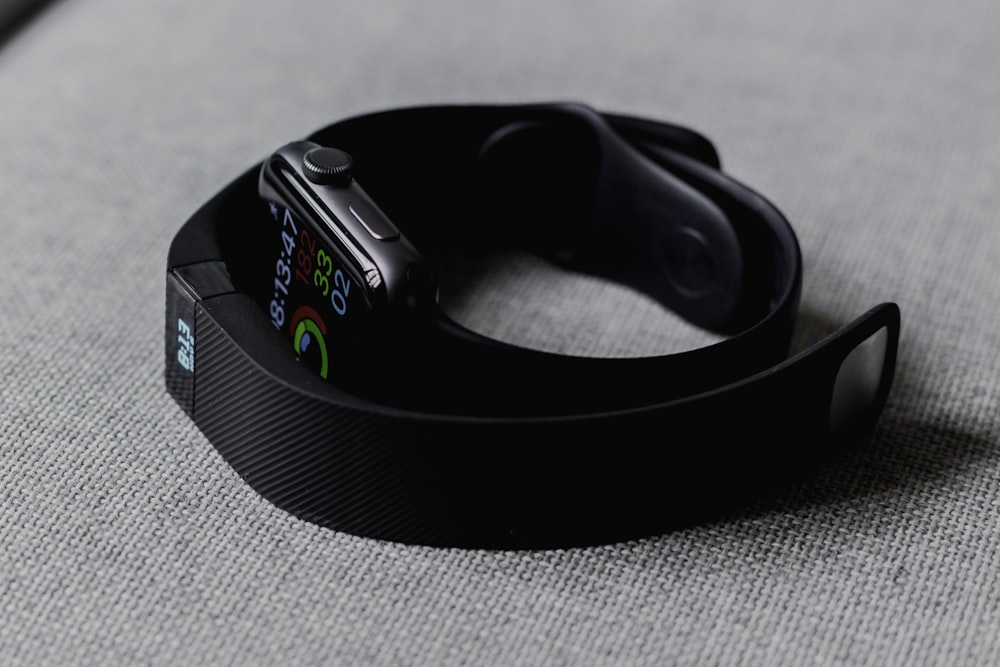
For those using wearable fitness metrics, your goal should be to reach 50% to 70% of your maximum heart rate. This is often referred to as Zone 2 training. Maintaining this intensity ensures you are maximizing brisk walking heart rate zones for fat burning and aerobic conditioning.
| Step Count | Intensity | Primary Health Outcome |
|---|---|---|
| 2,000 - 3,000 | Low (Leisurely) | Baseline movement; minimal cardiovascular impact. |
| 7,000 | Moderate (Brisk) | Significant reduction in all-cause mortality; optimal for longevity. |
| 10,000+ | Moderate to High | Enhanced weight management; improved VO2 max and metabolic efficiency. |
The Intensity Scale Sidebar
- Low Intensity: Under 70 steps/min. You can sing, whistle, and breathe easily through your nose.
- Moderate Intensity (Brisk): 100+ steps/min. You can talk but not sing. Light perspiration begins.
- High Intensity: 130+ steps/min. Only short phrases are possible. Significant heavy breathing.
Why 7,000 Steps is the New Gold Standard
If the 10,000-step goal feels daunting, there is good news. Scientific literature is increasingly identifying 7,000 steps as a critical threshold for life extension. A major study analyzing 57 separate research papers published in The Lancet Public Health discovered that walking 7,000 steps a day reduces the risk of premature death by 47% compared to those taking only 2,000 steps. Interestingly, the researchers found that health benefits for most major outcomes plateaued shortly after this mark, meaning 7,000 brisk steps are nearly as effective for longevity as 10,000.
Furthermore, a study of more than 72,000 individuals published in the British Journal of Sports Medicine confirmed that walking between 9,000 and 10,500 steps per day reduces the risk of early death by 39% and reduces cardiovascular events by more than 20%. The key takeaway is that while more steps provide incremental gains, the most significant leap in health occurs when you move from a sedentary state to the 7,000-step brisk threshold.
The cardiovascular benefits of fast walking are even more pronounced when we look at specific mortality risks. According to research in JAMA Internal Medicine, walking at a brisk pace of 80 to 100 steps per minute for 30 minutes daily is associated with a 35% reduction in mortality risk and a 25% reduction in heart disease or cancer risk, regardless of the total number of steps you take throughout the rest of the day. This suggests that the minimum daily brisk walking time for health benefits is remarkably accessible for even the busiest professional.
Beyond the Sidewalk: Incline, Rucking, and Intervals
If you have already mastered the basic brisk walk, you can amplify your results by manipulating variables like resistance and incline. These techniques are particularly effective for visceral fat reduction and VO2 max improvement.
One of the most effective methods for those focused on fat loss is the japanese interval walking technique for fat oxidation. This involves alternating between three minutes of very fast walking (approaching a power walk) and three minutes of leisurely strolling. Repeating this cycle for 30 minutes has been shown to improve aerobic capacity and blood pressure more effectively than walking at a constant, steady pace.
For men looking to build functional strength while they walk, rucking is the ultimate upgrade. Rucking involves walking with a weighted backpack. The benefits of rucking vs normal walking are substantial; it increases the caloric burn by 30% to 50% and builds stability in the core and lower body. If you prefer the treadmill, the 12-3-30 method—walking at a 12% incline, at 3 miles per hour, for 30 minutes—is a high-intensity way to boost your heart rate without the joint impact of running. These methods ensure that even a lower step count can yield superior metabolic health outcomes.
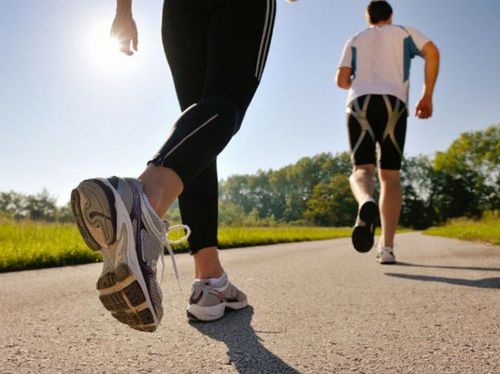
Action Plan: Building a Brisk Habit
Consistency is the cornerstone of any longevity strategy. If you are currently hitting 3,000 steps, do not try to jump to 10,000 tomorrow. Instead, use a method called habit stacking. Pair your walking with an existing daily routine, such as taking a brisk 10-minute walk after every meal. This concept, often called exercise snacks, prevents the metabolic slump that occurs after eating and helps manage blood glucose levels.
Focus on incremental increases. Aim to add 500 to 1,000 steps to your daily average each week until you reach the 7,000 to 8,000 range. Once you are there, prioritize your step cadence. Ensure at least 3,000 of those steps are taken at a brisk pace of 100 steps per minute or higher. This tiered approach ensures you are targeting both volume for calorie management and intensity for cardiovascular health.
FAQ
Is 30 minutes of brisk walking enough?
Yes, 30 minutes of brisk walking is highly effective for meeting the federal guidelines for physical activity. When performed at a pace of at least 100 steps per minute, a 30-minute walk contributes about 3,000 high-intensity steps toward your daily goal, which is sufficient to trigger cardiovascular improvements and reduce the risk of chronic disease.
What speed is considered brisk walking?
Brisk walking is generally defined as a pace of 3.0 to 4.5 miles per hour. In scientific terms, this equates to a cadence of roughly 100 steps per minute. A practical way to measure this without a treadmill is the talk test: you should be able to speak but feel too winded to sing.
Can brisk walking reduce belly fat?
Brisk walking is an effective tool for reducing visceral fat, the dangerous fat stored around internal organs. By maintaining a pace that keeps your heart rate in the moderate-intensity zone, you increase fat oxidation. Combining brisk walking with interval training or rucking further enhances its ability to target belly fat.
Does brisk walking improve heart health?
Absolutely. Brisk walking strengthens the heart muscle, lowers resting heart rate, and improves circulation. Research indicates that a consistent brisk walking habit can reduce the risk of heart disease by up to 25%, as it helps manage blood pressure and cholesterol levels while improving the flexibility of blood vessels.
Is brisk walking better than running?
It depends on your goals and joint health. Brisk walking offers many of the same cardiovascular benefits as running but with significantly lower impact on the knees and hips. For longevity, the best exercise is the one you can perform consistently without injury. For many men over 40, brisk walking provides the ideal balance of metabolic challenge and injury prevention.