Quick Facts
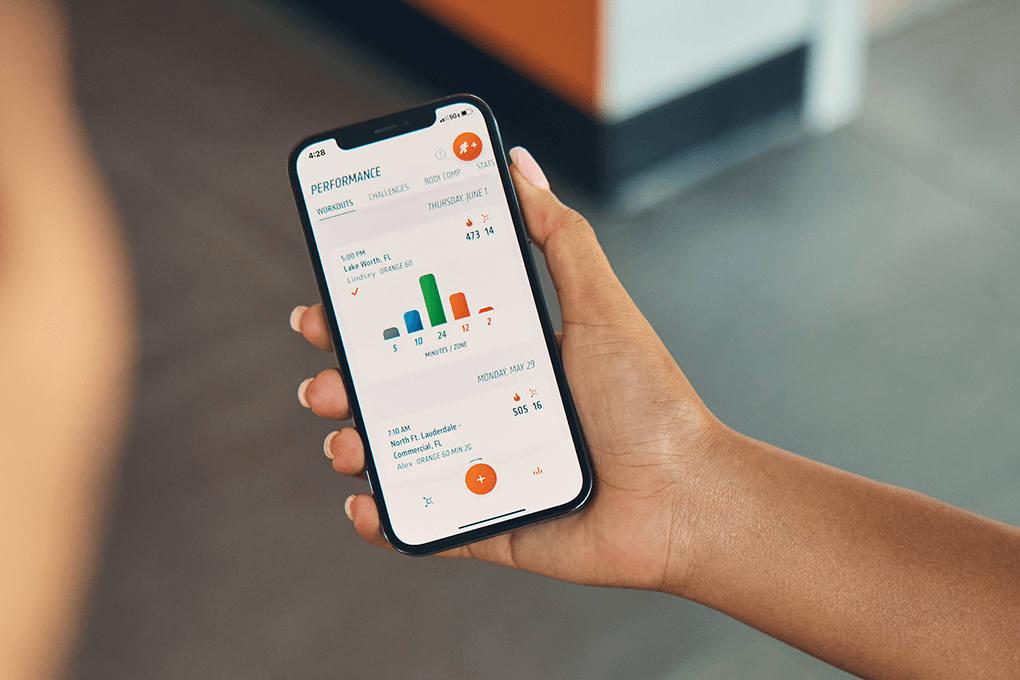
- Goal: Aim to earn at least 12 splat points per class to maximize metabolic benefits.
- The Sweet Spot: Spend 12 minutes or more in the Orange Zone, which represents 84-91% of your maximum heart rate.
- Metabolic Boost: Triggering excess post-exercise oxygen consumption can elevate your metabolic rate for 8 to 24 hours after a workout.
- Weekly Targets: Three 60-minute sessions provide 180 minutes of activity, exceeding the 150 minutes of weekly activity recommended by national health guidelines.
- Data-Driven: Move beyond the generic 220-minus-age formula with a dynamic algorithm that adjusts to your personal heart rate variability.
- Cardio Efficiency: Systematic interval training helps lower your resting heart rate and improves how efficiently your heart pumps oxygen to your muscles.
Orangetheory heart zones utilize variable intensity interval training to improve cardiovascular efficiency. By alternating between different intensity levels, the heart is trained to recover faster from physical exertion. This structured approach enhances aerobic capacity, lowers resting heart rates, and improves overall metabolic conditioning through scientifically designed heart rate intervals.
The Science of 5 Heart Rate Zones
When you step into the studio, you aren't just guessing how hard you are working. You are using real-time biofeedback to guide every step, pull, and rep. The foundation of this system is based on five distinct heart rate zones, each designed to elicit a specific physiological response. For athletes looking for safe interval training for heart health, understanding these levels is the difference between spinning your wheels and seeing genuine performance gains.
The zones are color-coded to make them easy to track on the overhead monitors while you are in the middle of a high-intensity block. We start at the Grey Zone, which is your light activity or resting state, and move up to the Red Zone, representing your maximum effort. However, the magic happens in the transitions between these levels.
| Zone | Intensity | % of Max HR | The Talk Test | Focus |
|---|---|---|---|---|
| Grey | Very Light | 50-60% | Can speak in full, effortless sentences. | Resting / Recovery |
| Blue | Light | 61-70% | Can speak comfortably; breathing is light. | Warm-up / Cool-down |
| Green | Moderate | 71-83% | Can speak in sentences, but breathing is heavier. | Aerobic Base Building |
| Orange | Vigorous | 84-91% | Can only speak in short, 2-3 word phrases. | Anaerobic Threshold |
| Red | Very Vigorous | 92-100% | Unable to speak; total exertion. | Maximum Capacity |
While the higher-intensity zones get most of the attention, don't overlook the importance of green zone for active recovery at OTF. This is your base pace intensity, the foundation where your heart learns to supply oxygen to your muscles over extended periods. Without a solid green base, you cannot effectively push into the higher zones without risking overtraining. Using wearable fitness technology, you can see exactly when you have recovered enough to tackle the next interval.

In a typical class, you will hear coaches refer to your base, push, and all-out intervals. Your base pace should keep you firmly in the green. A push pace should nudge you into the orange, and those final all-out intervals are what might send you briefly into the red. This constant undulating of intensity is what defines metabolic conditioning, forcing your cardiovascular system to become more resilient and adaptable.

The Orange Zone: Boosting VO2 Max and Endurance
In the world of fitness performance, we talk a lot about the anaerobic threshold. This is the point during exercise where your body can no longer produce enough energy using oxygen alone and starts to rely on stored sugars, creating byproducts like lactate. Training at or just above this threshold is the most effective way of improving aerobic capacity with heart zones.
The Orange Zone, defined as 84-91% of your maximum heart rate, is specifically designed to sit at this threshold. When you spend time here, you are challenging your heart to pump more blood with every beat—a concept known as stroke volume. Over time, this leads to significant benefits of Orange Zone training for cardiovascular endurance. Your heart becomes a more efficient machine, and your lungs become better at exchanging gases, which is essentially the definition of improving VO2 Max with Orangetheory interval training.
The goal is to accumulate 12 minutes or more in the Orange and Red zones combined. This specific 12-minute threshold is what triggers the afterburn, or excess post-exercise oxygen consumption. Because you’ve pushed your body into an oxygen debt, your system has to work harder for hours after you leave the studio to return to its resting state. This process doesn't just burn more calories; it strengthens the heart’s ability to recover from stress.

From a training perspective, hitting these zones improves your cardiac efficiency. If you are an endurance runner or a cyclist, this translates to a higher "top gear." You’ll find that you can maintain a faster pace for a longer duration before fatigue sets in. For beginners, it means that the flight of stairs that used to leave you winded eventually feels like a walk in the park.
Personalization: How OTF Calculates Your Zones
One of the biggest mistakes athletes make is using a generic formula to determine their training intensities. The old "220 minus your age" rule is notoriously inaccurate because it doesn't account for individual fitness levels, genetics, or resting heart rate improvement. Orangetheory moves away from this "one size fits all" approach by using a proprietary, dynamic algorithm.
When you first start, the system uses a standard age-based calculation. However, after you complete five classes, the technology analyzes your actual performance data. It looks at how high your heart rate climbed during your all-out intervals and how quickly it dropped during recovery. This allows the system to set personalized Orangetheory heart zones that reflect your unique physiology.
This personalization is critical for monitoring heart rate recovery after HIIT workouts. As you become more fit, you will notice that your heart rate drops more quickly when you move from a push pace back to your base pace. This increase in heart rate variability is a hallmark of a healthy, responsive cardiovascular system. If your zones were never adjusted, you would eventually find it too easy to stay in the green or too difficult to reach the orange, rendering the workout less effective.

By tracking these metrics over months and years, you can see tangible proof of your progress. A lower resting heart rate and a faster recovery time between intervals are clear indicators that your heart is becoming stronger and more resilient to physical stress.
Longevity and Disease Prevention Through HIIT
Training isn't just about the sweat you lose today; it’s about the years you add to your life. The cardiovascular health benefits of HIIT are well-documented in medical literature. Regular high-intensity interval training has been shown to improve blood pressure, lower cholesterol levels, and increase insulin sensitivity.
By utilizing Orangetheory heart zones for heart disease prevention, you are essentially "proofing" your heart against the stressors of modern life. High-intensity training teaches your nervous system how to toggle between the sympathetic (fight or flight) and parasympathetic (rest and digest) states. This leads to a reduction in chronic cortisol levels and a more stable cardiovascular profile.
Consistent participation in these workouts ensures you are meeting and exceeding global health standards. As we noted earlier, just three classes a week puts you at 180 minutes of moderate-to-vigorous physical activity. This volume of work is a powerful tool in preventing the onset of chronic conditions and maintaining a high quality of life as you age.

When you look at the big picture, the splat points and the colors on the screen are more than just gamification. They are markers of longevity. Every minute you spend in that Orange Zone is an investment in your future self, ensuring that your heart remains capable of supporting an active, vibrant lifestyle for decades to come.
FAQ
What do the different heart rate zones mean at Orangetheory?
The five zones represent different levels of intensity based on your maximum heart rate. Grey and Blue are for rest and warm-ups. Green is your aerobic base pace where you build endurance. Orange is the anaerobic threshold where you push your limits to improve cardiovascular capacity. Red represents your maximum effort, typically reserved for short, intense bursts like all-out treadmill sprints.
How are Orangetheory heart rate zones calculated?
Initially, the zones are calculated using a general age-based formula. However, after you have completed five classes with a heart rate monitor, the Orangetheory system uses your actual performance data to recalibrate your zones. This dynamic adjustment ensures that your targets are specific to your individual fitness level and heart rate variability rather than a generic average.
How many splat points should you get per workout?
The goal is to earn at least 12 splat points per 60-minute class. One splat point is awarded for every minute spent in the Orange or Red zones. Achieving this 12-minute threshold is the key to triggering the afterburn effect, which keeps your metabolism elevated for up to 24 hours after you finish your workout.
What is the purpose of the orange zone?
The purpose of the Orange Zone is to push your body to its anaerobic threshold. By training at 84-91% of your maximum heart rate, you challenge your cardiovascular system to become more efficient at utilizing oxygen and recovering from intense effort. This zone is primarily responsible for improving VO2 Max and building long-term cardiovascular endurance.
Is it safe to be in the red zone for too long?
The Red Zone is designed for maximum effort, such as the final 30 seconds of an all-out sprint. While it is safe for healthy individuals to enter this zone briefly, you should not spend the majority of your class there. The Orangetheory philosophy focuses on interval training, meaning you should always aim to return to the Green Zone for recovery after a hard push. If you feel lightheaded or overly breathless in the red, you should immediately transition back to your base pace.