Our Top Picks
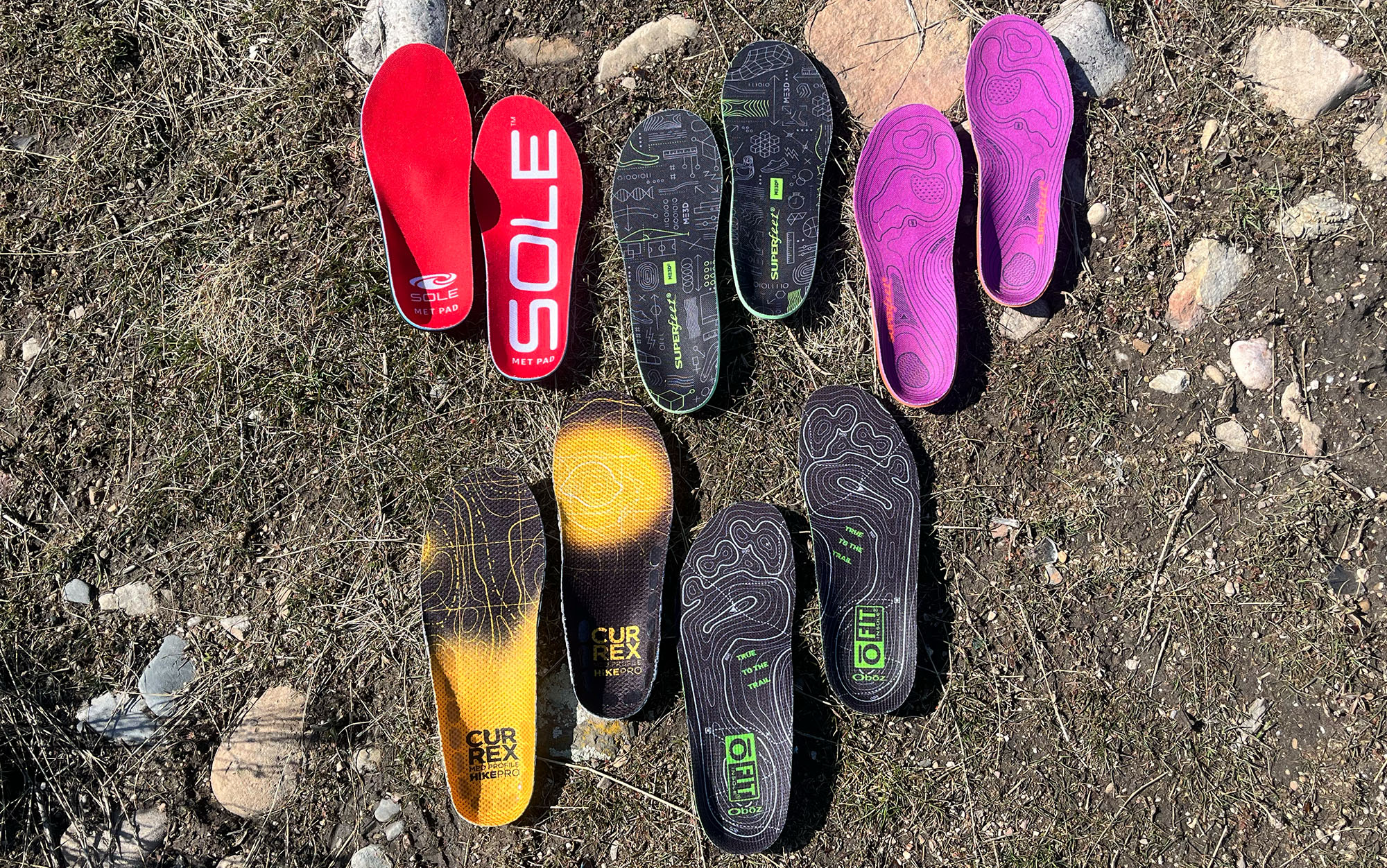
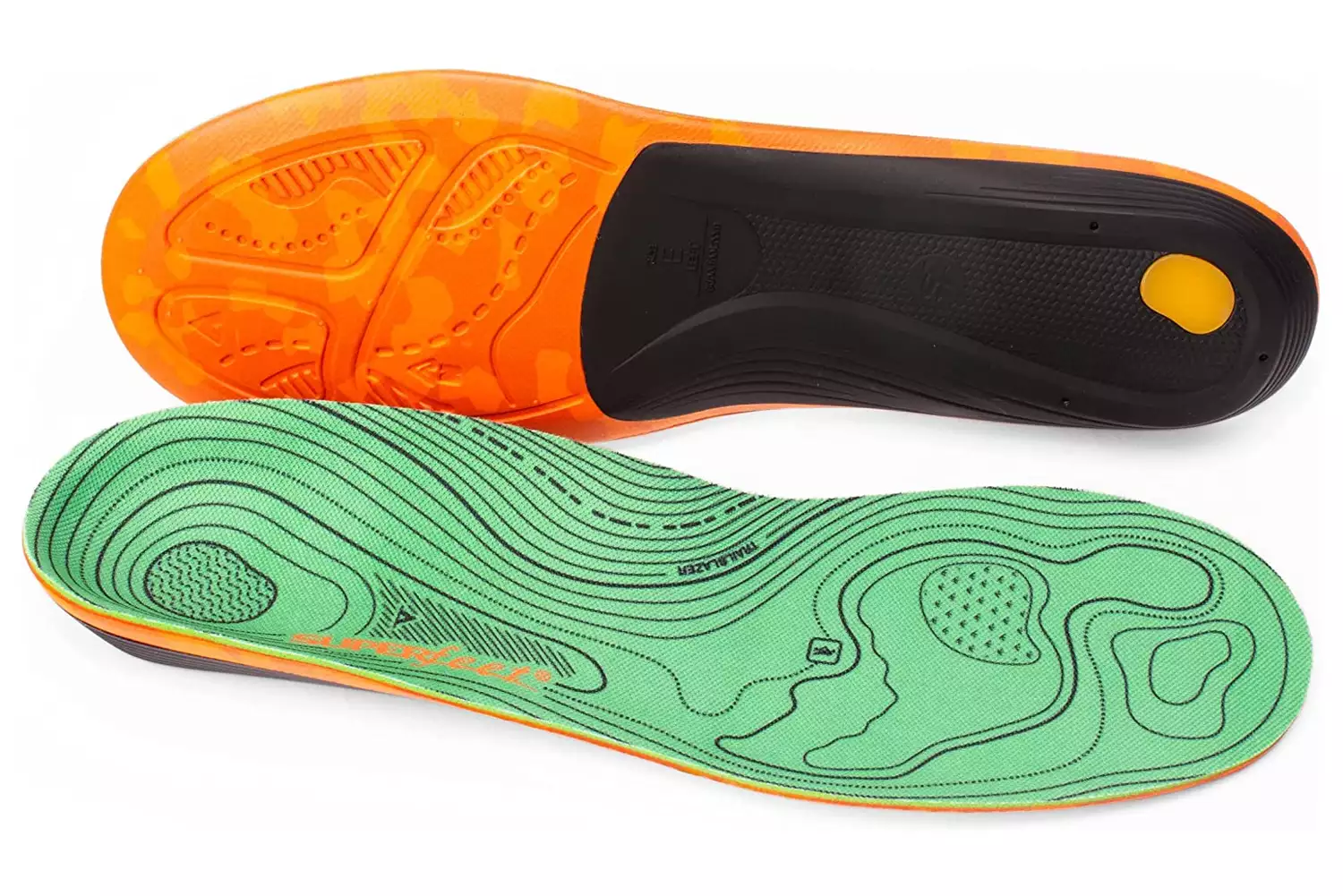
- The All-Rounder: Superfeet Trailblazer Comfort. Best for technical terrain with a carbon fiber reinforced stabilizer cap.
- The Maximum Support: SOLE Active Thick. A cork-based, heat-moldable option ideal for heavy backpacking and high arches.
- The Plantar Fasciitis Specialist: PowerStep PULSE. Features firm arch support and a deep heel cup to stabilize the foot and reduce fascia tension.
- The Dynamic Mover: Currex HikePro. Lightweight and flexible, focusing on natural gait cycle alignment for fast-packers.
When selecting the best hiking insoles for long-distance treks, prioritize materials that match your foot type and the terrain. Rigid materials like plastic or carbon fiber offer maximum stability for technical trails, while high-density foam and cork provide a balance of cushioning and support that molds to your feet over time. Essential features for long-distance treks include a deep heel cup for stability and moisture-wicking fabrics with antimicrobial coatings to prevent blisters and manage odor.
| Model | Weight (oz) | Best Use Case | Price Category |
|---|---|---|---|
| Superfeet Trailblazer | 1.8 | Technical Terrain | Premium |
| SOLE Active Thick | 2.5 | Heavy Backpacking | Mid-Range |
| PowerStep PULSE | 2.0 | Plantar Fasciitis | Mid-Range |
| Currex HikePro | 1.4 | Fast Packing | Premium |
| Oboz O Fit Plus | 2.1 | All-Day Comfort | Budget-Friendly |
| Superfeet Adapt Hike | 1.7 | Flexible Support | Mid-Range |
| Tread Labs Dash | 1.9 | High Arch Stability | Premium |
| Spenco Polysorb | 2.3 | Impact Absorption | Budget-Friendly |
Why Your Boots Need an Insole Upgrade
Most hikers invest hundreds of dollars in high-tech boots only to rely on the flimsy 2mm foam liners that come standard from the factory. These factory inserts are placeholders, not performance tools. When you are twenty miles into a forty-mile weekend, that thin foam has likely compressed to nothing, leaving your foot to absorb every rock and root. Upgrading to the best hiking insoles is the single most effective way to transform your athletic performance and endurance on the trail.
Clinical data shows that specialized insoles can reduce foot strain by up to 33% and dampen impact forces by 20% to 30%, helping to protect the ankles, knees, and hips from repetitive stress during long treks. By providing structured hiking boot insoles for arch support, you are not just adding padding; you are creating a stable platform that prevents the foot from collapsing under the weight of a heavy pack.
For those planning multi-day expeditions, shock absorbing insoles for backpacking with heavy packs are non-negotiable. As fatigue sets in, your form breaks down. A high-quality insole maintains your biomechanical alignment even when your muscles are spent, ensuring that energy return is maximized and impact protection is constant across every mile.
Expert Tip: Never judge an insole by its initial softness. In the world of long-distance trekking, firm support beats pillowy foam every time. If an insole feels like a cloud in the store, it will likely feel like a pancake after ten miles.
How to Choose Based on Your Arch Type
Choosing the wrong support profile is like wearing the wrong prescription glasses—it might look right, but it will cause problems elsewhere. To find the right hiking boot insoles for high arch support or flat foot correction, you must first understand your arch type. The easiest way is the wet foot test: wet your foot, step on a piece of cardboard, and look at the imprint. A thin line indicates a high arch, a full foot shape indicates a low arch or flat feet, and anything in between is neutral.
Properly fitted insoles reduce fatigue not just in the feet, but also in the calves, knees, and lower back by ensuring the body remains correctly aligned throughout the gait cycle. While foot fatigue affects over 60% of hikers, the use of footwear with proper arch support and cushioning can reduce foot stress by 40% to 60% compared to standard athletic shoes.
For those with high arches, the goal is pressure distribution. Without support, your weight is concentrated entirely on the heel and the ball of the foot. You need hiking boot insoles for high arch support that fill the gap, spreading the load across the entire plantar surface. Conversely, how to choose hiking insoles for flat feet focuses on stability. Hikers with flat feet should look for structured arch support to prevent the foot from rolling inward, a condition known as overpronation that can lead to knee pain and shin splints.
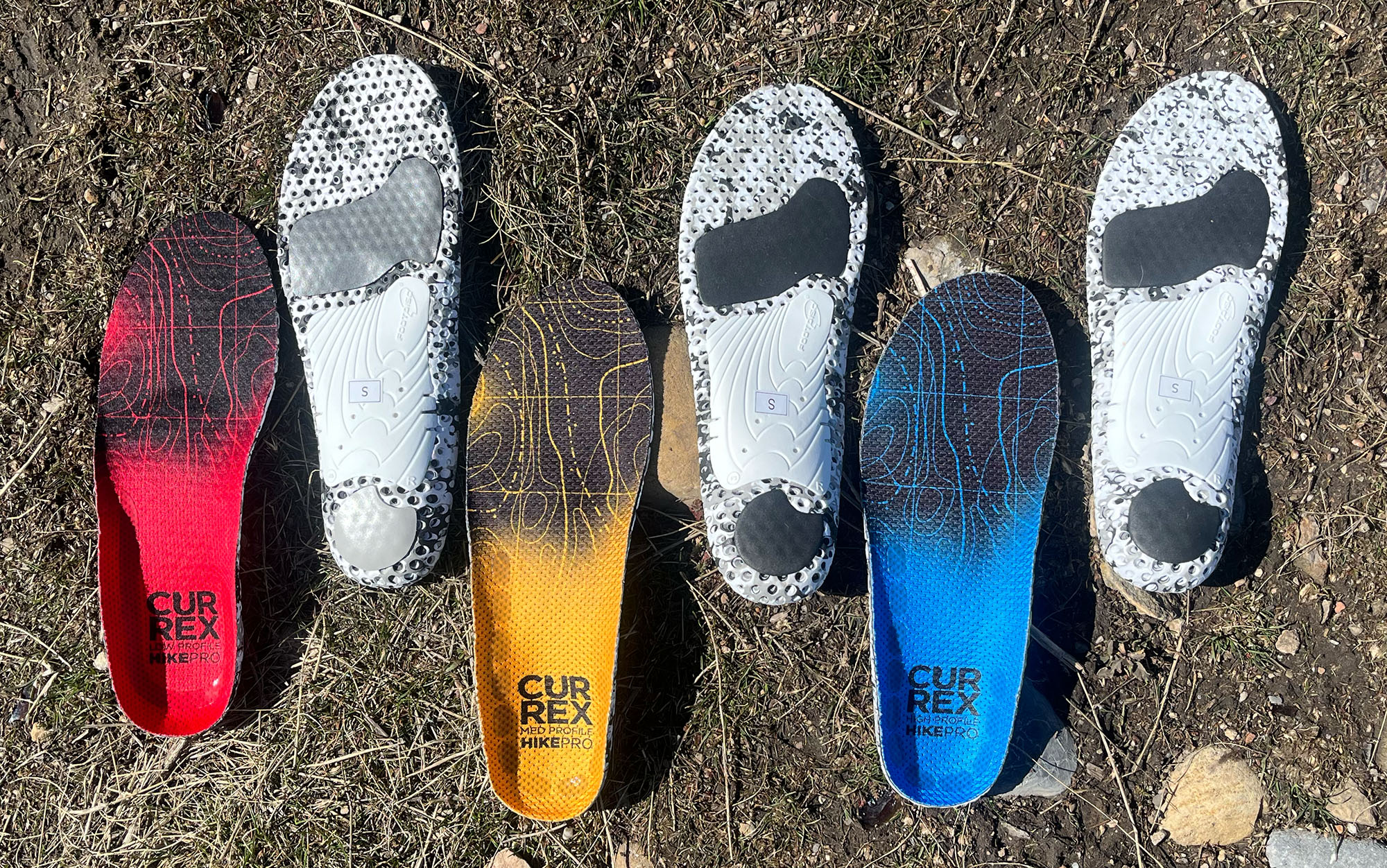
Medical Solutions: Plantar Fasciitis and Stability
If you have ever experienced a sharp, stabbing heel pain during your first few steps in the morning or after a long descent, you likely know the struggle of plantar fasciitis. This condition is an inflammation of the thick band of tissue that runs across the bottom of your foot. For hikers suffering from plantar fasciitis, podiatrists recommend insoles with firm arch support and targeted heel cushioning to absorb shock and reduce fascia tension.
Stable, structured footbeds like the PowerStep PULSE or SOLE Active Thick are effective because they limit excessive foot movement and help maintain proper biomechanical alignment. When searching for podiatrist recommended hiking insoles, look for the APMA Seal (American Podiatric Medical Association). This certification ensures the product has been reviewed by professionals to promote foot health.
Furthermore, research on long-distance hikers indicates that using customized plantar orthoses acts as a protective factor against foot blisters, which are reported to affect between 20% and 57% of trekkers. By using insoles for plantar fasciitis hiking that feature a deep heel cup, you lock the fatty pad of the heel in place, reducing the friction that leads to hotspots. Combining this with a moisture-wicking fabric and antimicrobial coating will keep your feet dry and healthy over hundreds of miles.
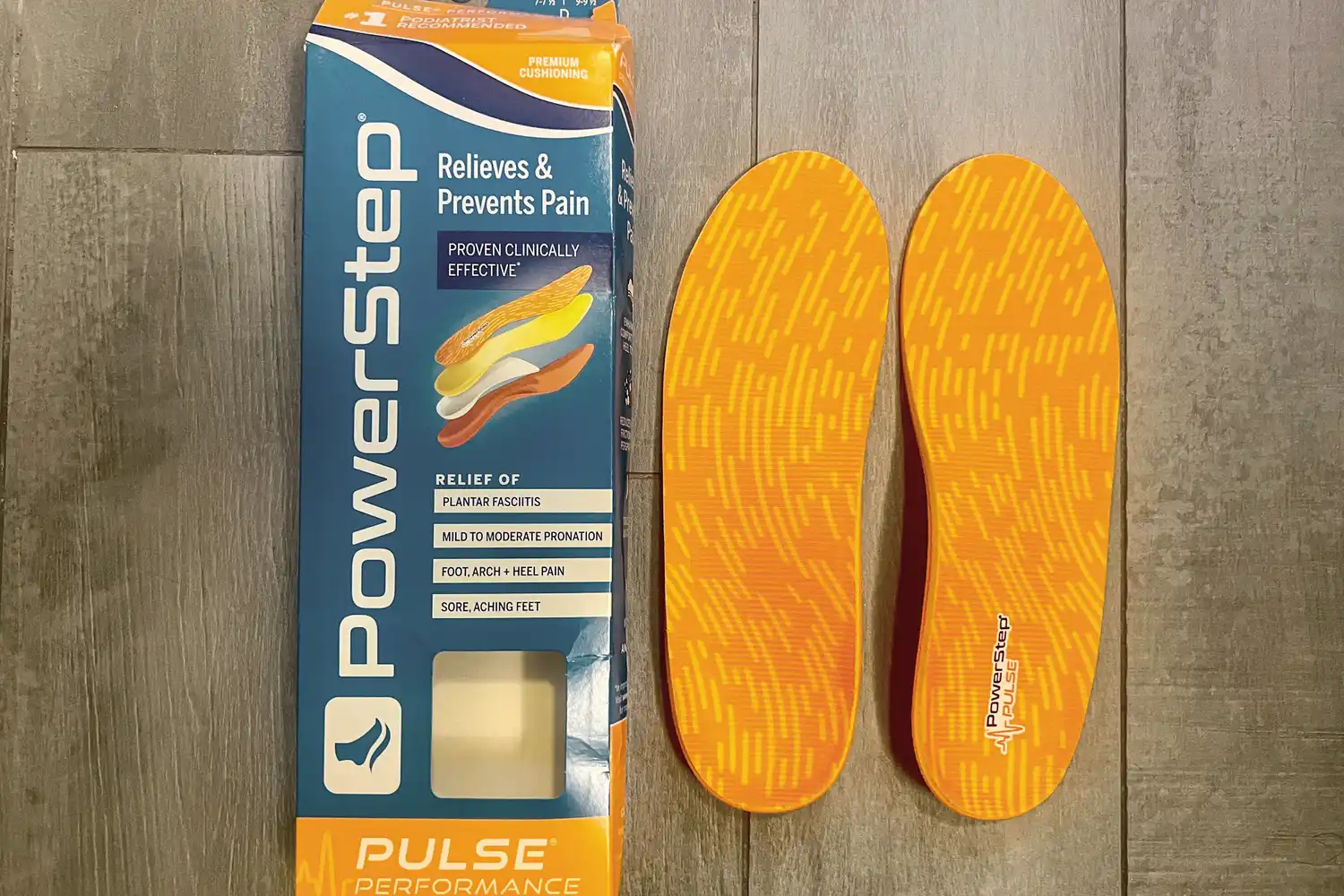
Advanced stability often comes from carbon fiber hiking insoles for trail stability. Carbon fiber provides a high strength-to-weight ratio, offering a rigid base that does not flex under heavy loads, which is vital for metatarsalgia relief and protecting the delicate bones of the forefoot on technical terrain.
Material Science & 2026 Boot Compatibility
The materials used in 2026 hiking technology have evolved significantly. We are no longer limited to simple foam. Today’s best hiking insoles utilize a layered approach to manage energy return and durability.
- EVA Foam: Ethylene-vinyl acetate is the industry standard for lightweight cushioning. It is excellent for shock absorption but can pack out over time.
- Cork: Found in brands like SOLE, cork is sustainable and naturally shock-absorbent. The best part is that it is heat-moldable. By placing them in a low-temp oven, you can achieve heat moldable insoles for custom hiking fit that perfectly match your unique foot shape.
- Carbon Fiber: Used for the most technical treks, carbon fiber provides rigid support without the bulk. It is the best choice for hikers carrying 40+ pound packs who need consistent stability.
- PU Foam: Polyurethane is denser and more durable than EVA. It is often used in cushioned insoles for multi-day long distance treks because it maintains its shape for hundreds of miles.
When selecting an insole, consider the volume. High-volume insoles are thick and take up a lot of space, making them ideal for roomier boots or hikers with low-volume feet. If you wear modern, athletic-fit boots from brands like Hoka or Salomon, you may need a low-volume insole to ensure your foot isn't cramped against the top of the boot.
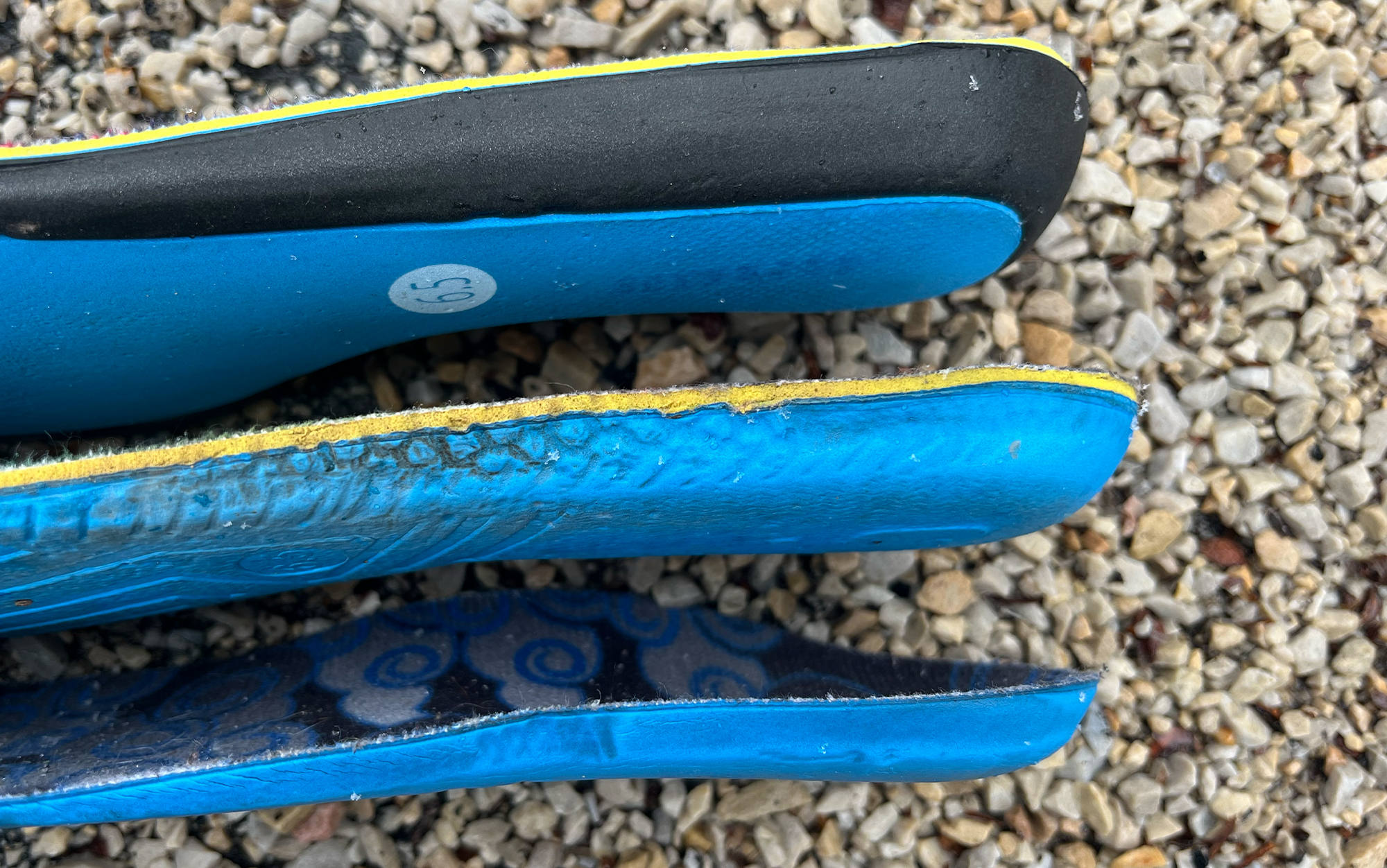
The Professional Break-in & Maintenance Routine
Even the most expensive carbon fiber hiking insoles for trail stability require a break-in period. You should never head out on a 50-mile trek with brand-new insoles. I recommend a 15-30 mile break-in period. Start by wearing them for an hour around the house, then on short walks, gradually increasing the mileage until your feet and the insoles have adapted to each other.
Maintenance is equally important for longevity. Most high-quality insoles are designed for a 500-mile lifespan, similar to your boots. However, replacement insoles for heavy hiking boots may need to be swapped sooner if you notice the arch collapsing or the top fabric peeling.
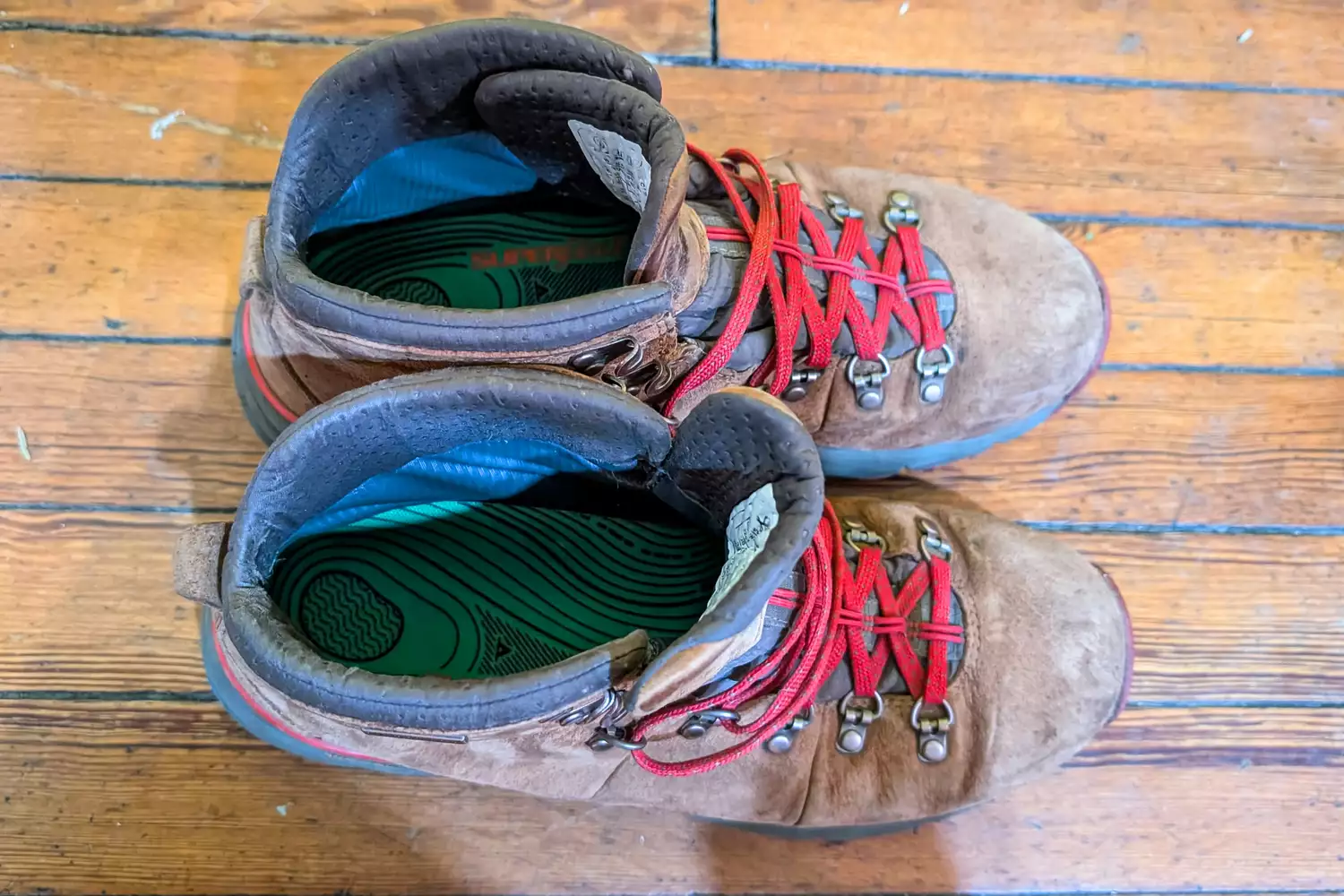
To get the perfect fit, you will likely need to trim your new insoles. Remove the factory liner from your boot, place it on top of the new insole, and trace the outline of the toe. Use sharp scissors to trim along the line. This ensures the insole sits flat without bunching at the front, which is a major cause of toe blisters.
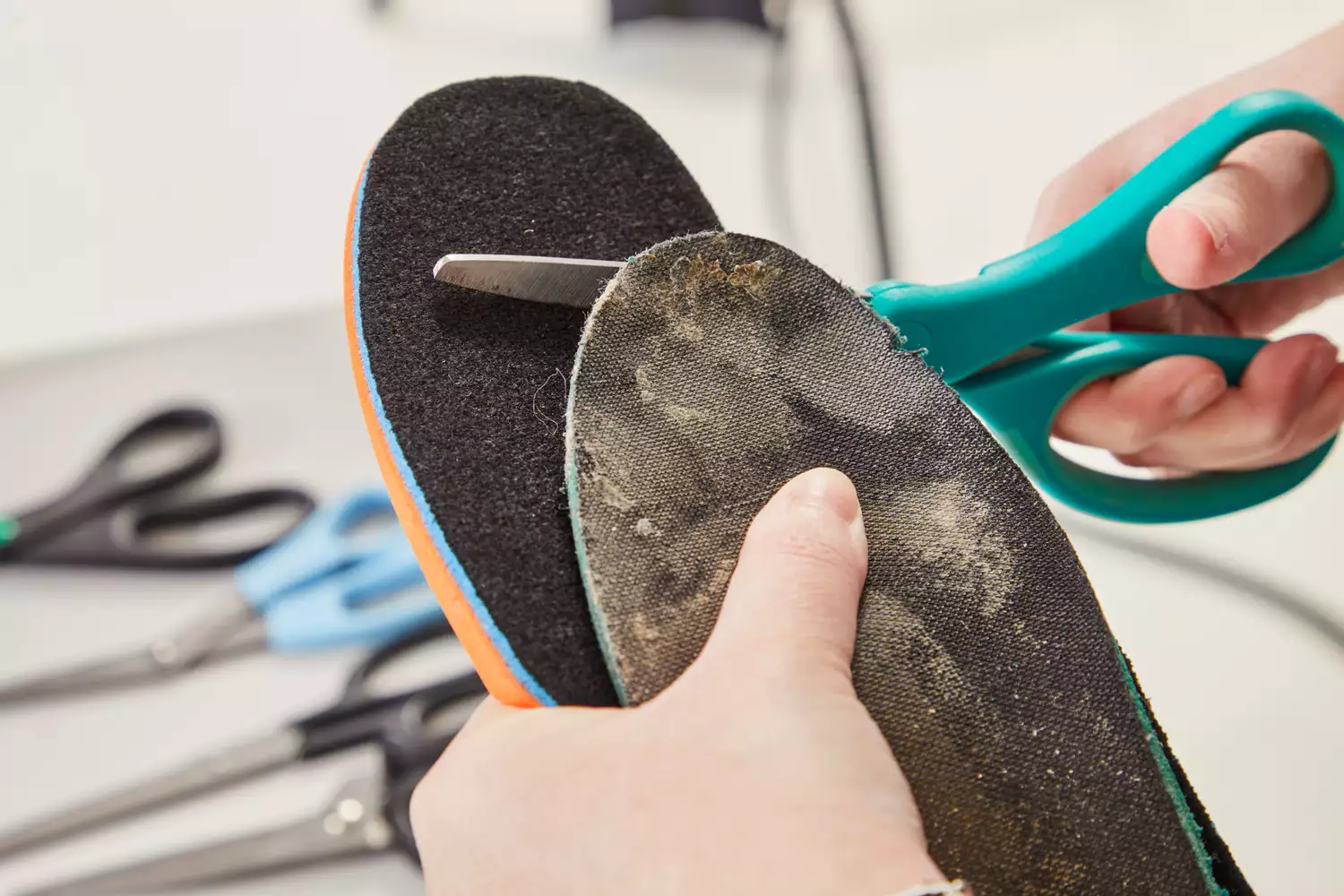
Finally, remember that insoles are one part of the equation. Supplement your gear with foot strengthening exercises, like towel curls and calf stretches, to build the intrinsic muscles of the foot. This holistic approach ensures your body is as resilient as your equipment.
FAQ
Are hiking insoles worth the investment?
Yes, they are one of the most cost-effective upgrades you can make to your kit. By improving biomechanical alignment and reducing foot strain by up to 33%, they extend your mileage, prevent long-term injury, and significantly increase comfort during multi-day treks.
Do hiking insoles help with plantar fasciitis and foot pain?
Absolutely. Podiatrist recommended hiking insoles are designed to support the arch and stabilize the heel. This reduces the tension on the plantar fascia and provides metatarsalgia relief by distributing weight more evenly across the footbed.
How often should you replace insoles in hiking boots?
As a general rule, you should replace your insoles every 500 miles or whenever you replace your hiking boots. If you notice a visible loss of arch height, cracks in the stabilizer cap, or if you begin to feel recurring foot fatigue, it is time for a new pair.
Should I remove the original factory insoles before adding new ones?
In almost all cases, yes. Adding a performance insole on top of a factory liner creates too much bulk, which can lead to poor circulation, numbness, and blisters. Removing the old liner ensures the new insole sits correctly against the midsole of the boot.
How do hiking insoles help with knee and lower back pain?
Foot health dictates the alignment of the entire kinetic chain. When your feet overpronate or lack support, your knees rotate inward and your pelvis tilts, leading to strain in the lower back. Proper insoles correct your gait cycle, keeping your joints stacked and reducing the repetitive impact forces that cause joint pain.