
Quick Facts
- Recovery Timeline: Expect 2 to 3 weeks to return to your physiological baseline.
- Immediate Action: Walk for 10 to 15 minutes after crossing the finish line to prevent blood pooling.
- Sleep Goal: Aim for 8 to 10 hours of sleep per night during the first week to optimize tissue repair.
- Nutrition Ratio: Prioritize high-quality protein and complex carbohydrates within the first hour.
- Rest Rule: Adhere to a minimum of 7 days of complete rest or very low-impact movement before structured running.
- Immune Health: Be mindful of the 72-hour open window where your immune system is significantly suppressed.
Finishing a marathon puts you in the elite 0.01% of the world. However, your journey isn't over at the finish line. Proper marathon recovery tips are essential to prevent injury and restore your body. Immediately after finishing a marathon, prioritize light movement by walking for 10 to 15 minutes to support circulation and prevent muscle stiffness. Change into dry, warm clothing as soon as possible to assist with thermoregulation. Begin rehydrating with fluids containing electrolytes and consume easily digestible carbohydrates within the first hour to jumpstart glycogen replenishment and muscle repair.

1. The Golden Hour: Immediate Post-Finish Actions
The moment you cross the finish line, your body is in a state of physiological crisis. Your core temperature is elevated, your muscles are riddled with micro-tears, and your central nervous system is fried. The most common mistake I see runners make is collapsing onto the grass the second they receive their medal. While it is tempting to sit down and never get up again, what to do immediately after finishing a marathon determines how quickly you will bounce back in the coming weeks.
Instead of sitting, keep moving. A light walk for 10 to 15 minutes helps the heart pump blood back from the lower extremities to the rest of the body, flushing out metabolic waste that has accumulated over 26.2 miles. This movement also prevents blood pooling in the legs, which can lead to dizziness or fainting. Once you have cooled down slightly, prioritize thermoregulation. Your body’s ability to regulate its temperature is compromised after such extreme exertion. Strip off your sweat-soaked singlet and change into dry, warm layers immediately—even if the weather feels mild.
Scientifically speaking, the damage is real. The physiological marker of muscle damage, creatine kinase, peaks approximately 24 hours after a marathon and can remain elevated in the bloodstream for up to eight days post-race. By prioritizing light movement and warmth in that first hour, you set a foundation for these markers to return to baseline more efficiently. Think of this hour as the transition from athlete to patient; you need to treat your body with the care it deserves after such a monumental feat.
2. Rehydration and Glycogen Replenishment
Your body has likely burned through its entire store of glycogen and is significantly dehydrated, regardless of how well you fueled during the race. Rehydrating isn't just about drinking water; it is about restoring the delicate balance of minerals that allow your cells to function. To ensure proper rehydration after a marathon, runners are advised to consume 1 to 1.5 liters of fluid for every kilogram of body weight lost during the event.
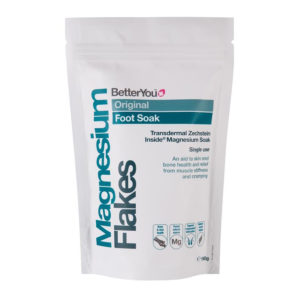
While water is the base, you need a targeted approach. Focus on magnesium and electrolytes for marathon recovery to prevent the late-night cramping that plagues many runners after a race. Magnesium plays a critical role in muscle relaxation and energy production, which is often depleted during long-distance efforts.
Within the first 60 minutes, your "metabolic window" is wide open. Consume simple, easily digestible carbohydrates to jumpstart glycogen replenishment. Fruit, a sports drink, or even a specialized recovery shake works best here because your digestive system may still be sensitive from the race. Slowly transition to complex carbohydrates like oats, sweet potatoes, or brown rice as the day progresses to provide a steady stream of energy to your recovering systems.
3. Nutrition for Muscle Repair and Inflammation
Once the initial thirst is quenched, your attention must shift toward structural repair. Post marathon recovery nutrition should be centered around high-quality protein synthesis. After 26.2 miles, your muscle fibers are physically damaged. Aim for 20 to 25 grams of lean protein—such as chicken, fish, tofu, or Greek yogurt—shortly after the race to provide the amino acids necessary for repair.
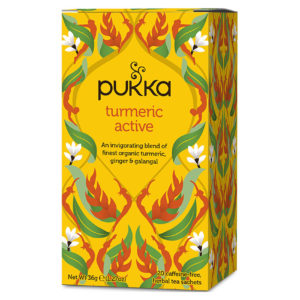
However, the repair process is often hindered by systemic inflammation. While some inflammation is a natural part of the healing process, excessive swelling can prolong your time away from the roads. Rather than reaching for ibuprofen or other NSAIDs, which can potentially stress your kidneys after a period of dehydration, look to your plate. Natural anti-inflammatories like turmeric and omega-3 fatty acids found in oily fish or walnuts are excellent for managing marathon muscle soreness relief.
A balanced meal including healthy fats, lean proteins, and antioxidant-rich vegetables will help lower elevated cortisol levels that remain high after the physical stress of the race. This holistic approach to best foods to eat for marathon recovery not only heals the muscles but also supports your metabolic health, which is often overlooked in the post-race hype.
4. Managing Muscle Soreness: Active vs. Passive Recovery
The days following a marathon are characterized by Delayed Onset Muscle Soreness (DOMS). How you manage this discomfort can make or break your return to training. There is a long-standing debate regarding ice bath vs warm bath for marathon recovery. In my professional experience, use ice baths in the first 48 hours to manage acute inflammation and numb the pain. After 48 hours, transition to warm baths with Epsom salts to encourage blood flow and muscle relaxation.
Passive Recovery Tools
In addition to temperature therapy, compression garments are highly effective. Wearing compression socks or leggings helps reduce muscle oscillation and encourages venous return, which can significantly decrease the feeling of "heavy legs." Gentle myofascial release using a foam roller or a massage gun can also be beneficial, but be cautious—your muscles are fragile. Avoid deep tissue massage for at least 3 to 5 days to prevent further traumatizing the muscle micro-tears.
The Role of Active Recovery
By day three, you should move from passive to active recovery for runners. This does not mean running. It means engaging in low-impact activities like swimming, gentle cycling, or walking. These activities increase blood flow without the orthopedic impact of running, helping to clear out residual metabolic waste and keeping the joints mobile. This approach is far superior to total bed rest, which can lead to stiffness and a slower overall recovery process.
5. Prioritizing Restorative Sleep and Immune Support
Perhaps the most underrated of all marathon recovery tips is the power of a good night's sleep. During sleep, your body enters its most potent state of repair, releasing growth hormones that facilitate the mending of muscle micro-tears. Aim for 8 to 10 hours of restorative sleep each night for at least the first week post-race.
You should also be aware of the "Open Window" theory. For approximately 72 hours after a marathon, your immune system is significantly suppressed. Your body has used all its resources to keep you moving, leaving you vulnerable to upper respiratory infections. Supporting your immune system is vital; consider herbal teas with honey and lemon or increasing your intake of Vitamin C-rich foods. If you feel an overwhelming sense of exhaustion, often called marathon syndrome, listen to your body. This is a sign that your nervous system is still recovering from the massive spike in cortisol levels experienced during the race.
6. Combatting the Post-Marathon Blues
Recovery isn't just a physical process; it is a mental one. Many runners experience a significant "dip" in mood after a race—this is commonly known as the post-marathon blues. For months, your life has been structured around a singular goal. Once that goal is achieved, the sudden lack of structure combined with a drop in dopamine and endorphins can feel jarring.
Effective strategies for managing post marathon blues include staying socially connected with your running community without the pressure of training. Use this time to reflect on your achievements rather than obsessing over your splits. Engage in activities you may have neglected during training, like light yoga or spending time with family. Acknowledging that this mental slump is a normal physiological reaction to the end of a high-stress cycle will help you navigate it with more grace.
7. The 3-Week Blueprint: Safe Timeline for Returning to Running
The question I get asked most as an editor is: "When can I run again?" The safe timeline for returning to running after marathon is longer than most eager athletes want to hear. You must give your body time to heal before introducing the impact of the road again. Aerobic fitness in well-trained runners, measured by VO2 max, typically decreases by only 1% to 3% during the first seven days of complete inactivity following a race. You aren't losing your fitness; you are protecting your future.
| Phase | Duration | Activity Level | Goal |
|---|---|---|---|
| Week 1 | Days 1-7 | Zero running. Focus on walking and light stretching. | Complete tissue healing and rest. |
| Week 2 | Days 8-14 | Reverse tapering: 25% of peak mileage at easy pace. | Reintroduce low-impact movement. |
| Week 3 | Days 15-21 | 50% of peak mileage; no speed work. | Gauge readiness for full training. |
During the second week, start a reverse tapering process. This involves slowly reintroducing short, easy runs only if you are free of pain. If you feel any sharp pains or lingering fatigue, return to active recovery for runners like swimming or cycling for another few days.
When to See a Doctor
While soreness is expected, certain red flags require medical attention. Consult a healthcare professional if you experience:
- Dark-colored urine (a sign of rhabdomyolysis or extreme dehydration).
- Sharp, localized pain that does not improve with rest (potential stress fracture).
- Inability to bear weight on a limb.
- Persistent heart palpitations or chest pain.

FAQ
How long does it take to fully recover after a marathon?
Most runners require 3 to 4 weeks for a full physiological recovery. While you might feel "fine" after a week, your cellular and hormonal systems take longer to return to their baseline levels. It is common for muscle strength and power to remain slightly diminished for up to a month.
What is the best thing to eat after finishing a marathon?
The ideal post-race meal contains a 3:1 ratio of carbohydrates to protein. Think of a turkey sandwich on whole-grain bread, a bowl of pasta with lean meat sauce, or a recovery smoothie with fruit and whey protein. This combination ensures you are simultaneously restocking energy and repairing muscle tissue.
How soon can you start running again after a marathon?
I recommend a minimum of 7 days of complete rest from running. Some advanced athletes may start very light jogging by day 5, but for the majority of runners, waiting a full week prevents overuse injuries and allows the immune system to stabilize.
Do ice baths really help with marathon recovery?
Yes, but timing is key. Ice baths are most effective in the first 24 to 48 hours to constrict blood vessels and reduce acute swelling. They help manage marathon muscle soreness relief in the short term, but you should eventually switch to heat to promote long-term blood circulation.
How do I get rid of leg soreness after a marathon?
The best approach is a combination of light movement and compression. Avoid standing for long periods. Use compression socks, gentle foam rolling, and light walking to keep blood flowing. Proper rehydration and consuming natural anti-inflammatories like turmeric also play a huge role in flushing out metabolic waste.
Recovery is where the gains from your training cycle are actually realized. By following these marathon recovery tips, you aren't just healing; you are building a stronger, more resilient version of yourself for your next starting line. Feel free to share your personal post-race rituals in the comments or sign up for our newsletter to get more expert-led training advice.