Quick Facts
- Health Impact: Engaging in a 30-minute daily walk five days a week is linked to a 19% to 35% reduction in coronary heart disease risk.
- Longevity Metric: Replacing just 30 minutes of sitting with light activity like walking reduces cardiovascular death risk by 24%.
- Metabolic Defense: Consistency in this routine can lower the risk of developing type 2 diabetes by as much as 30%.
- Caloric Efficiency: A brisk 30-minute session burns approximately 200 calories while prioritizing fat oxidation over glucose depletion.
- Intensity Target: For maximum cardiovascular fitness, aim for a cadence of 100 steps per minute.
- Mental Vitality: Walking triggers endorphin release and lowers cortisol, significantly improving cognitive focus and memory.
A 30-minute daily walk is a foundational low-impact cardio routine that optimizes cardiovascular health by strengthening the heart muscle and improving circulation. Beyond the heart, this habit enhances metabolic health by increasing insulin sensitivity and supports long-term mobility by maintaining bone mineral density and joint flexibility. For men focusing on longevity, a 30-minute daily walk serves as a powerful tool to mitigate the risks of a sedentary lifestyle and promote sustainable physical vitality.
The Longevity Secret: Why Low-Impact Cardio Matters
In the world of high-performance health, we often get distracted by high-intensity interval training or heavy lifting. While those have their place, the real secret to living a long, vibrant life often lies in what the residents of Blue Zones—areas with the highest concentration of centenarians—do every single day: they move naturally. A 30-minute daily walk is the closest modern equivalent to this ancestral movement pattern. It is the ultimate form of low-impact cardio for beginners and seasoned athletes alike because it provides a physiological stimulus without the systemic inflammation often associated with high-impact sports.
Biologically, the benefits of walking 30 minutes a day start with the endothelium, the thin membrane lining your blood vessels. Steady-state movement stimulates the release of nitric oxide, a signaling molecule that tells your arteries to relax and dilate. This process, known as vasodilation, is essential for maintaining youthful blood vessels and preventing hypertension. Furthermore, walking is a weight-bearing exercise that is gentle on the joints but effective for bone mineral density. As we age, maintaining this density is critical for preventing fractures and maintaining a skeletal structure that supports an active lifestyle.
For those navigating the challenges of a desk-bound career, sedentary lifestyle mitigation is perhaps the most immediate advantage. Human physiology is not designed for twelve hours of sitting. Prolonged inactivity causes metabolic shutdown, where lipolysis—the breakdown of fats—drops significantly. By committing to a 30 minute walking routine for seniors over 60 or even younger professionals, you effectively "restart" your metabolic engine, ensuring that your body continues to process glucose and fatty acids efficiently throughout the day.
Defining the Pace: Is Your Walk a Workout?
Not all steps are created equal. To transform a casual stroll into a legitimate cardiovascular session, you must understand the distinction between movement and training. For a 30-minute daily walk to qualify as cardio, you need to reach a brisk walking pace for 30 minute cardio. In clinical terms, this is often defined as 100 steps per minute, or roughly 3 to 4 miles per hour depending on your stride length. At this intensity, you should be able to speak in short sentences but feel too breathless to sing a song.
On a scale of 1 to 10, known as the rate of perceived exertion, you should aim for a 6.5. This level of effort ensures you are working within your aerobic zone, where your body utilizes oxygen to burn fat for fuel. This makes a 30 minute daily walk for weight loss plan highly effective; because the intensity is moderate, the body can sustain the effort longer and recover faster than it would from a high-intensity sprint.
| Activity Level | Steps Per Minute | RPE (1-10) | Primary Fuel Source |
|---|---|---|---|
| Casual Stroll | < 70 | 2-3 | Glucose/Minimal Burn |
| Brisk Walk | 100-110 | 5-7 | Fat Oxidation |
| Power Walking | 120+ | 8 | Mixed (Fat/Glycogen) |

To maintain this pace consistently, focus on your form. Keep your head up, shoulders relaxed, and swing your arms naturally. Your stride should be quick and short rather than long and reaching, which can put unnecessary strain on your hips and knees. By hitting these intensity metrics, you ensure that every minute spent on the pavement is an investment in your cardiovascular fitness.
Choosing Your Path: Nature Bathing vs. Walking Pads
Environment plays a massive role in the sustainability of your habit. There are two primary schools of thought for the modern walker: nature bathing and the use of indoor technology. Nature bathing, or Shinrin-yoku, involves walking in a forest or park. Research suggests that walking just a quarter-mile in a green space can reduce stress hormones like cortisol more effectively than walking the same distance in an urban or gym environment. This endorphin release is amplified by the sights and sounds of nature, making it an excellent choice for mental health and cognitive recovery.
However, logistics often get in the way of a daily hike. This is where using walking pads for 30 minute daily routines becomes a game-changer. For the modern professional, a walking pad under a standing desk allows for steady-state cardio during meetings or emails. If you find treadmill walking monotonous, you can spice up your indoor routine with incline intervals. Try a cycle of 2 minutes at a 10% incline followed by 1 minute of recovery at a flat grade. This increases the caloric burn and engages the posterior chain—the glutes and hamstrings—more aggressively.
Metabolic Hack: To maximize your results, try a "glucose clearing" walk. Research shows that walking for just 2 to 5 minutes immediately after a meal can significantly stabilize blood sugar levels. Extending this to a full 30-minute session post-dinner is one of the most effective ways to improve insulin sensitivity and prevent evening fat storage.

Success and Sustainability: The 10% Rule & Gear
The most common mistake beginners make is doing too much, too soon. Even though walking is low-impact, your tendons and ligaments need time to adapt to new levels of stress. To avoid common issues like plantar fasciitis or shin splints, follow the 10% rule: do not increase your total weekly walking duration or intensity by more than 10% at a time. If you are just learning how to start a 30 minute daily walking habit, you might begin with three 10-minute walks throughout the day and slowly consolidate them into one continuous session over several weeks.
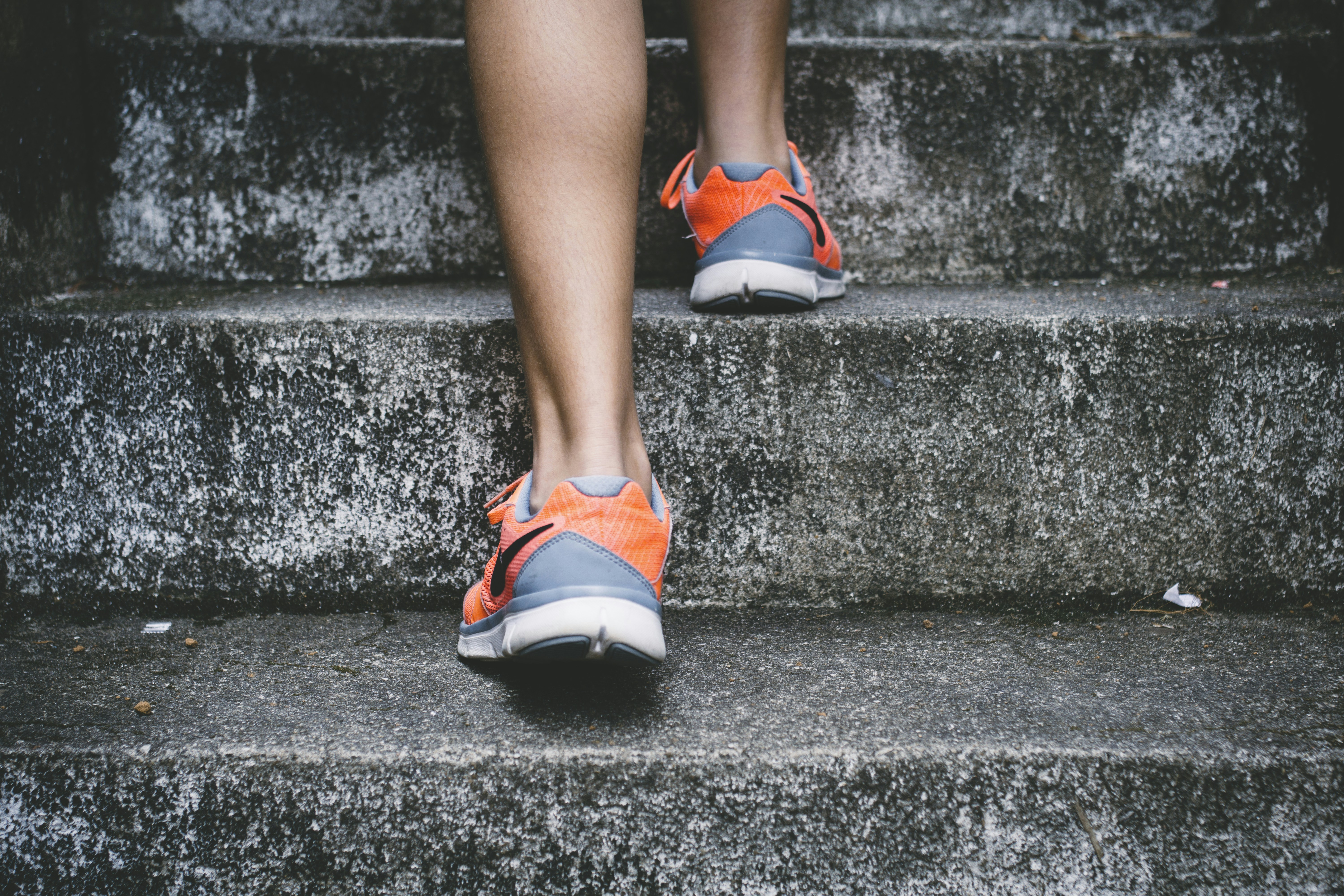
Invest in the best gear for daily 30 minute walks to protect your orthopedic health. This doesn't mean you need the most expensive carbon-plated racing shoes, but you do need footwear with adequate arch support and cushioning. Your shoes should be replaced every 300 to 500 miles, as the compressed foam loses its ability to absorb shock long before the tread wears out. For those with balance concerns or who want an upper-body challenge, trekking poles can be used to engage the core and arms, turning a simple walk into a full-body workout.

Finally, view your walk as a "psychological substitution." Instead of reaching for a second cup of coffee or scrolling through social media during your lunch break, use that time for your 30-minute daily walk. The clarity and energy boost you receive will be far more sustainable than any caffeine high. By treating your walk as a non-negotiable appointment in your calendar, you build the consistency required for long-term physiological transformation.
FAQ
Is a 30-minute daily walk enough to lose weight?
Yes, it can be a highly effective component of a weight loss strategy. A 30-minute daily walk burns approximately 150 to 200 calories, but its real power lies in metabolic regulation. By improving insulin sensitivity and increasing your non-exercise activity thermogenesis, walking helps your body become more efficient at burning fat rather than storing it. When paired with a balanced diet, this daily habit creates a sustainable caloric deficit without the extreme hunger often triggered by high-intensity workouts.
What happens to your body when you walk 30 minutes every day?
Within the first few minutes, your heart rate rises and blood flow increases to the muscles. Over time, your heart becomes stronger, pumping more blood with less effort, which lowers your resting heart rate. You will also experience an increase in mitochondrial density, meaning your cells become better at producing energy. Mentally, the consistent release of neurotrophic factors supports brain health, leading to better memory and a lower risk of age-related cognitive decline.
Is it better to walk 30 minutes or hit 10,000 steps?
Both metrics have value, but they serve different purposes. The 10,000-step goal is a general marker for overall daily activity and reducing sedentary time. However, a dedicated 30-minute daily walk focuses on sustained cardiovascular fitness. A continuous 30-minute session at a brisk pace provides a more significant aerobic challenge than accumulating the same number of steps through short, slow bursts of movement throughout the day. For heart health, the intensity of the 30-minute walk is often superior.
Is walking 30 minutes a day sufficient for heart health?
Absolutely. Major health organizations agree that 150 minutes of moderate-intensity aerobic activity per week is the gold standard for heart health. A 30-minute walk five days a week hits this target perfectly. This routine is associated with a reduction in the risk of coronary heart disease by approximately 19% to 35% and is one of the most effective preventive measures against stroke and hypertension.
Can I see results from walking 30 minutes a day in a month?
You will likely notice internal changes before external ones. Within the first month, many people report improved sleep quality, higher daily energy levels, and a noticeable reduction in stress. Physiologically, your cardiovascular system begins to adapt within two to four weeks, making the same walking pace feel easier. While significant weight loss usually takes longer, you may see a slight reduction in waist circumference and improved muscle tone in your legs and core within the first 30 days of consistent effort.