Quick Facts
- Success Rate: Non-surgical treatments like regular stretching eliminate symptoms in 85% to 90% of patients within 3 to 12 months.
- Morning Priority: Performing stretches immediately upon waking is the most effective way to reduce the sharp pain of the first steps of the day.
- Optimal Duration: For maximum benefit, hold each static stretch for 15 to 30 seconds and repeat 3 times per session.
- Prevalence: Roughly 15% of the general population has calcaneal bone spurs, though many remain asymptomatic until the surrounding tissue becomes inflamed.
- Clinical Evidence: A specific plantar fascia-stretching protocol resulted in a significant reduction in pain for 94% of patients in a long-term study.
- Key Targets: Relief comes from lengthening the gastrocnemius muscle, the soleus, and the plantar fascia ligament to reduce mechanical strain on the heel.
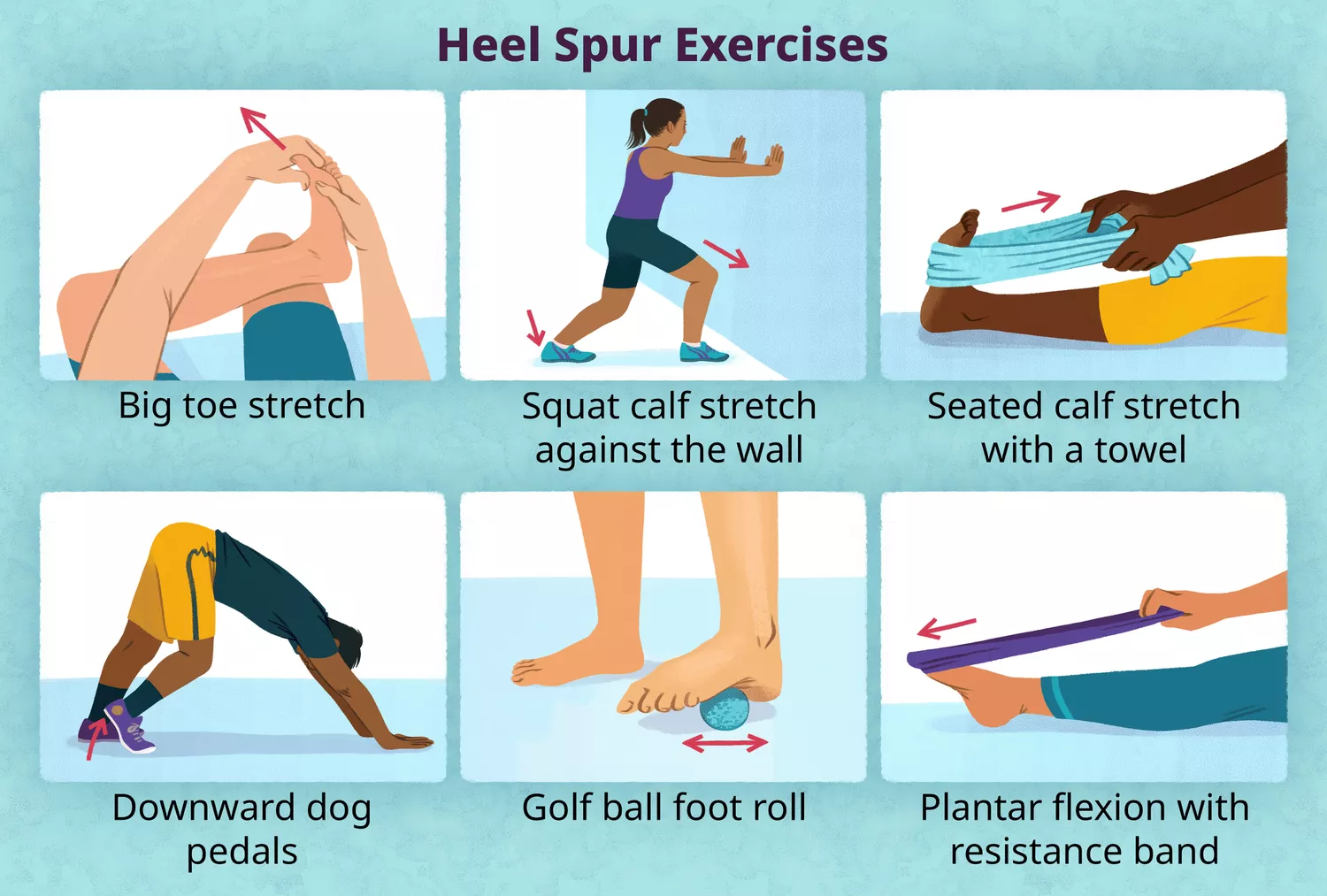
To perform effective heel spur stretches, try the calf stretch by leaning against a wall with one leg back and the heel planted. Alternatively, use a towel to pull your toes toward your body while seated, or manually pull your toes toward your shin to stretch the plantar fascia. These exercises reduce tension on the calcaneal bone and ligament, fostering better morning gait improvement and long-term mobility.
Understanding the Link: Bone Spurs vs. Fascia Tension
When you feel that sharp, stabbing sensation in your heel, it is natural to blame the small protrusion of bone known as a calcaneal bone spur. However, as a trainer, I often tell my athletes that the spur itself is rarely the primary source of agony. Instead, it is a symptom of chronic tension. When the plantar fascia ligament—the thick band of tissue running along the bottom of your foot—is pulled too tight for too long, it tugs on the calcaneal bone. Your body responds by depositing calcium to reinforce the area, creating the spur.
The real goal of heel spur stretches is to address this underlying tightness. We look specifically at the Windlass Mechanism, which describes how your arch tightens when your big toe is lifted. By improving dorsiflexion mobility—the ability to pull your foot toward your shin—you reduce the ligamentous strain reduction required to move without pain. When your gastrocnemius and soleus muscles are tight, they pull on the Achilles tendon, which in turn pulls on the heel. It is a chain reaction that we can break through targeted myofascial trigger points release and consistent movement.
The Morning Trio: Essential First-Step Relief
The most difficult moments for anyone with heel pain are those first few steps out of bed. Overnight, the plantar fascia ligament contracts and tightens. When you stand up, you suddenly force that tissue to stretch under your full body weight, causing micro-tears and intense pain. These morning heel spur stretches are designed to prep the tissue before you even stand up.
1. Sitting Towel Stretch
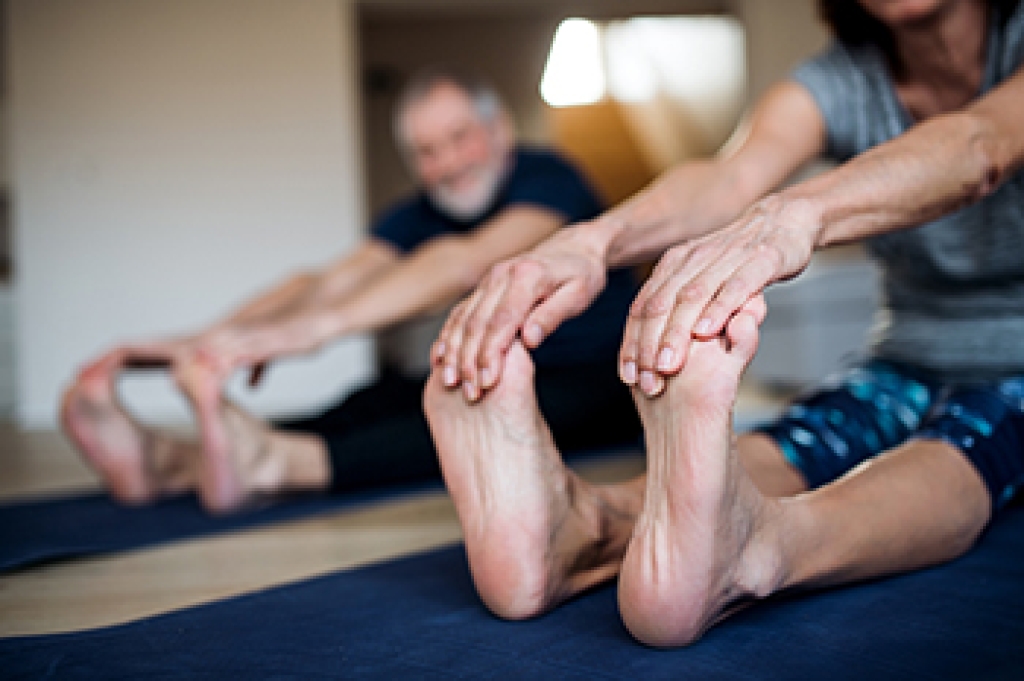
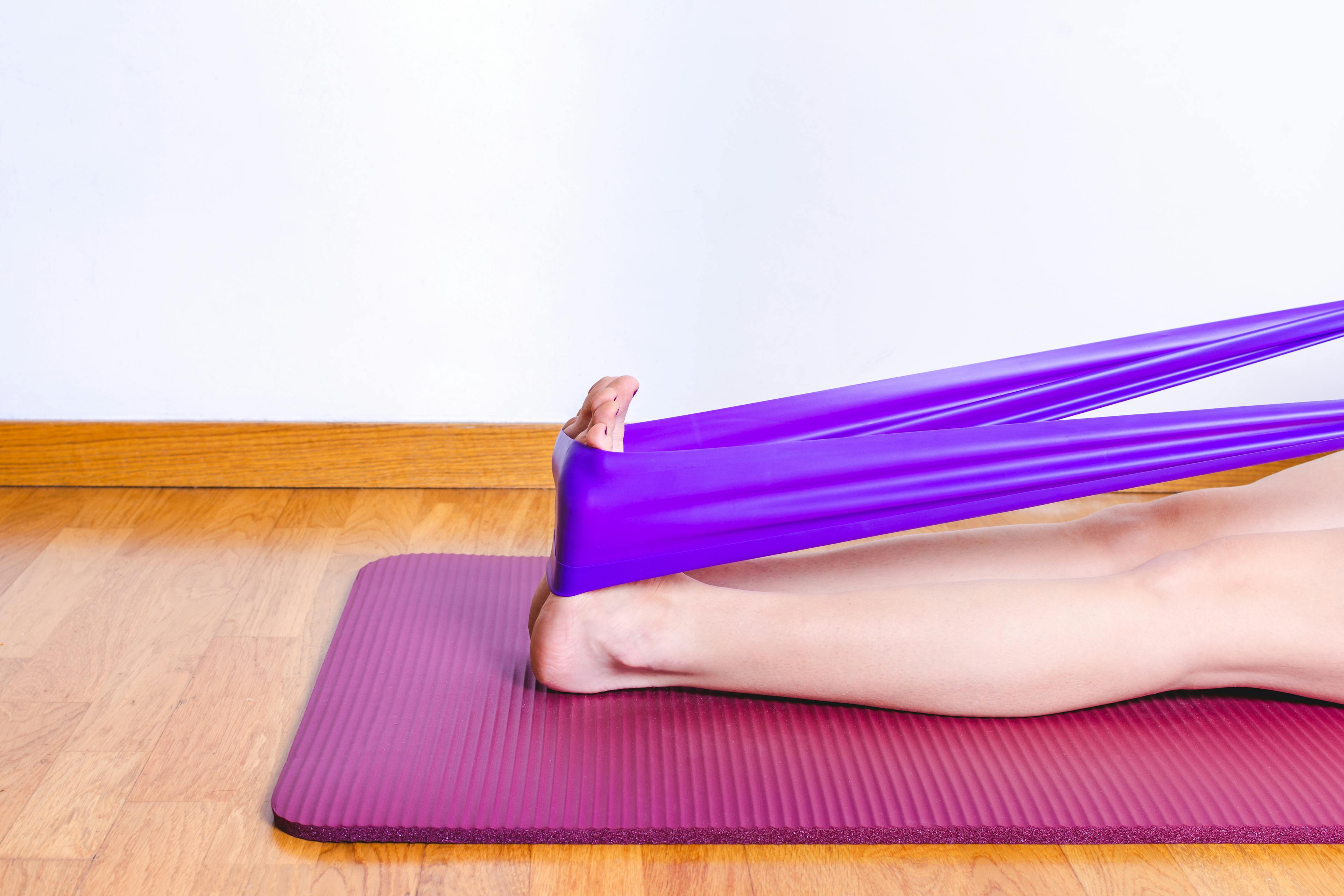
While sitting on the edge of your bed, loop a long towel or an exercise band around the ball of your foot. Keep your leg straight and gently pull the towel toward your chest, feeling the stretch through your calf and the bottom of your arch. Hold this for 30 seconds on each foot. This is one of the best morning stretches for heel spur pain relief because it provides a controlled, gradual lengthening of the tissue.
2. Manual Toe Extension
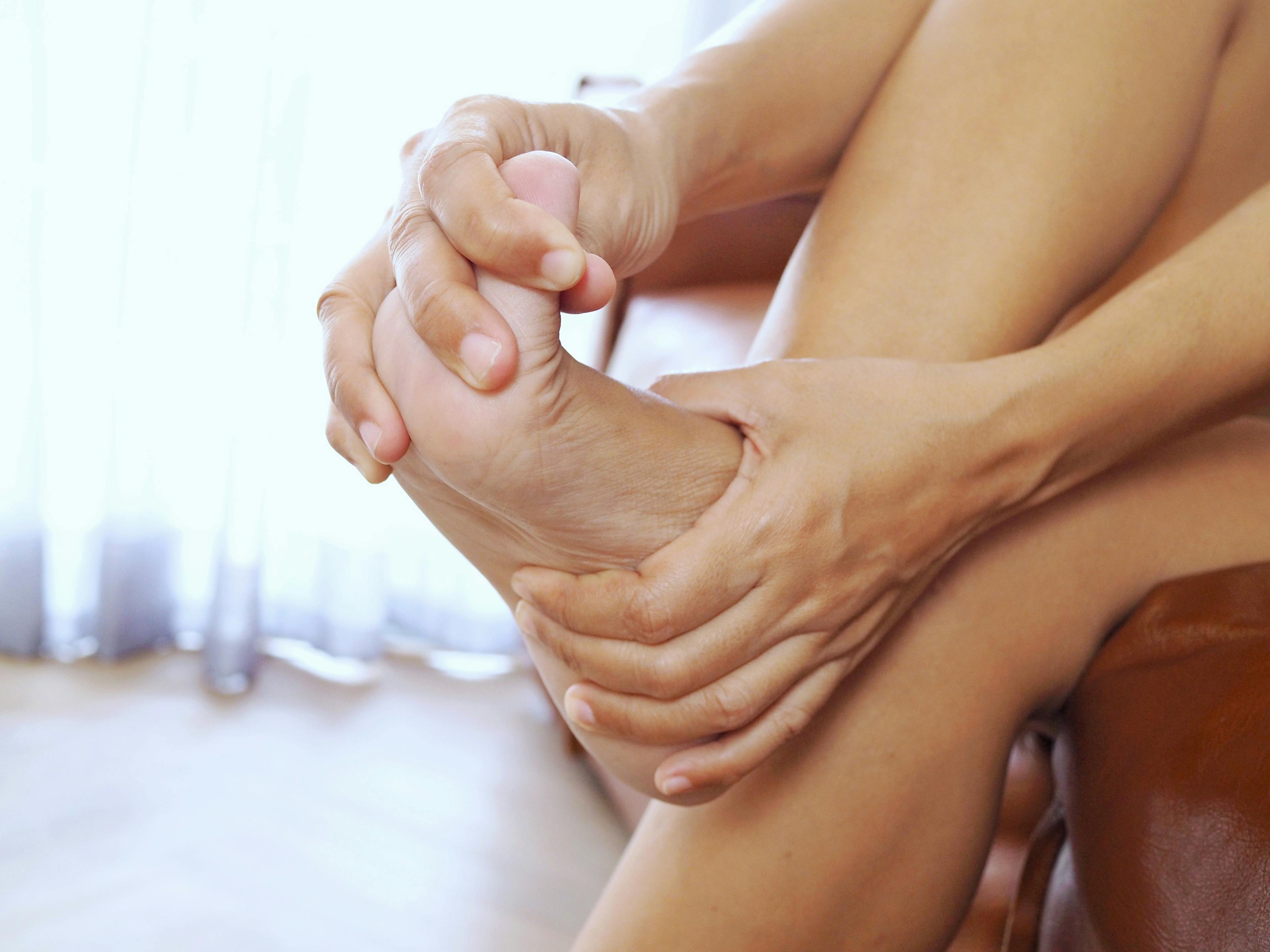
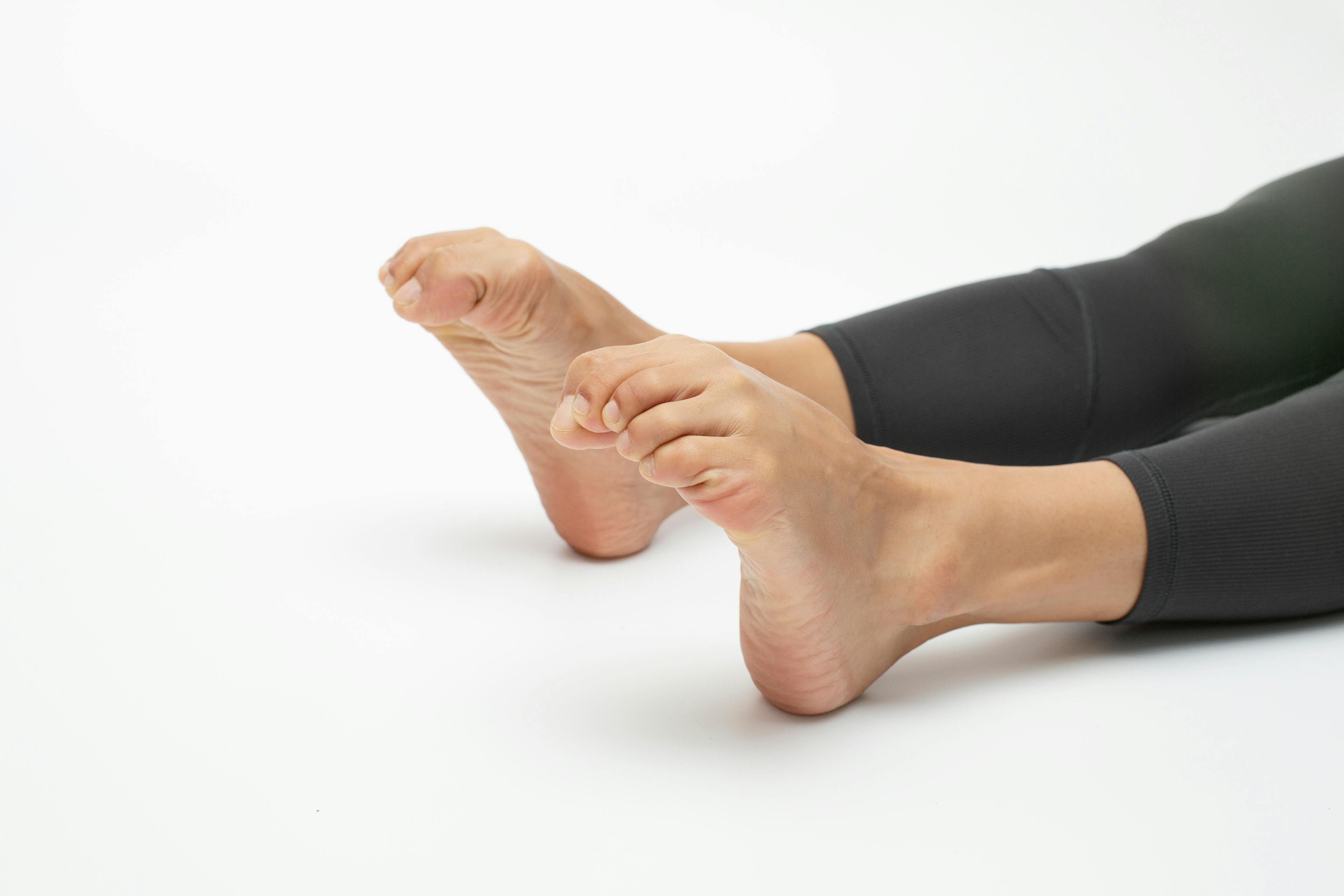
Cross one leg over the other so your foot is resting on your opposite knee. Grab your toes with one hand and gently pull them back toward your shin. You should feel tension along the arch of your foot. Use your other hand to feel the plantar fascia; it should feel like a tight guitar string. This manual technique helps improve arch flexibility and reduces the immediate pull on the bone.
3. Bed-Side Ankle Rotations
Before putting weight on your heels, perform 20 slow, large circles with your ankles in both directions. This increases blood flow to the area and lubricates the joint. These daily foot stretches for heel spurs ensure that your first steps of the day don't feel like walking on glass.
Standing All Day: Mid-Day Calf and Heel Release
For those who are on their feet for hours, the pressure on the calcaneal bone spurs is constant. If you work a job that requires standing, you need "escape valves" throughout the day to release tension before it accumulates into a flare-up.
4. Wall Calf Stretch (Gastrocnemius)
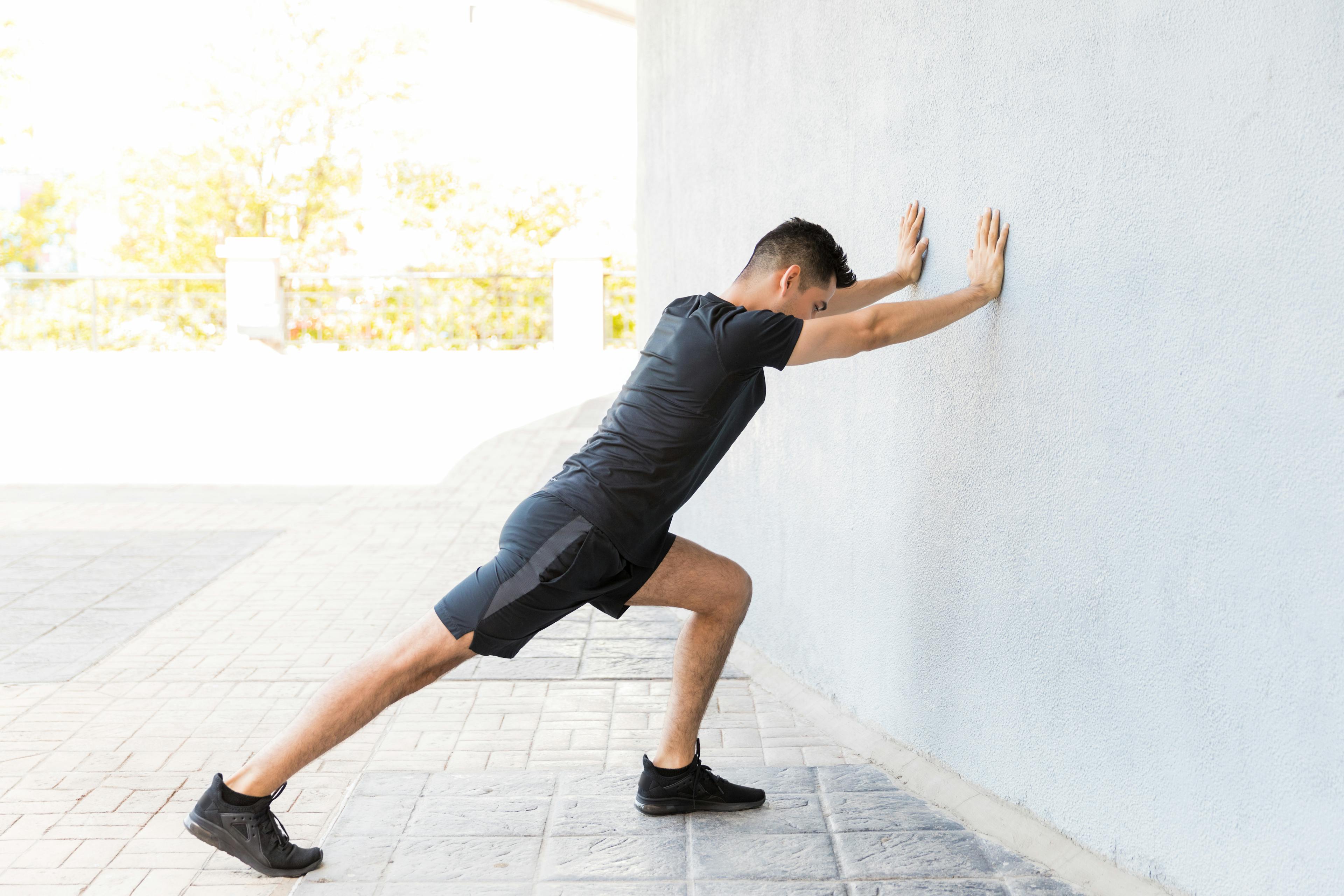
Stand facing a wall with your hands at shoulder height. Step one foot back, keeping the leg straight and the heel firmly planted on the floor. Lean forward until you feel a deep stretch in the upper part of your calf. This targets the gastrocnemius muscle. Hold for 30 seconds and switch sides. This is a foundational exercise among heel spur exercises for pain relief because a loose calf significantly reduces the pull on the heel.
5. Soleus Wall Stretch
Start in the same position as the wall calf stretch, but this time, slightly bend the knee of the back leg while keeping your heel on the ground. You will feel the stretch move lower down toward your ankle. This targets the soleus muscle, which is often overlooked but critical for managing achilles tendon stretches to reduce heel spur pressure.
6. Step Drop
Find a stair or a curb. Stand with the balls of your feet on the edge and let your heels hang off. Slowly lower your heels toward the ground. You don't need to force this; let gravity do the work. This provides a deep, functional stretch for both the calves and the foot arches. Perform this as part of a daily calf stretching routine for calcaneal spurs to maintain range of motion.
Desktop Recovery: Seated Arch and Mobility Exercises
Even if you have a desk job, you can make progress on your recovery. Integrating plantar fasciitis and heel spur stretches into your workday prevents the tissue from stagnating and tightening up while you sit.
7. Seated Foot Scrunches (Towel Curls)
While sitting, place a small towel on the floor. Use your toes to scrunch the towel toward you, then push it back out. This strengthens the intrinsic muscles of the foot, providing better weight-bearing stability and arch support. Building these muscles helps take the load off the ligament itself.
8. Tennis Ball Foot Massage
Keep a tennis ball or a lacrosse ball under your desk. Roll the arch of your foot over the ball with moderate pressure for 2 to 3 minutes. If you find a particularly tender spot, hold the pressure there for 15 seconds. This tennis ball foot massage for heel spur relief works by breaking up adhesions and stimulating blood flow to the site of inflammation.
9. Crossed-Leg Arch Massage
Similar to the manual toe extension, cross your leg and use your thumb to apply deep pressure along the length of your arch. Move in small, circular motions from the heel toward the toes. This manual manipulation helps manage the myofascial trigger points that often accompany chronic foot pain.
10. The Frozen Bottle Roll
This is my favorite "hack" for athletes. Fill a plastic water bottle about 75% full and freeze it.
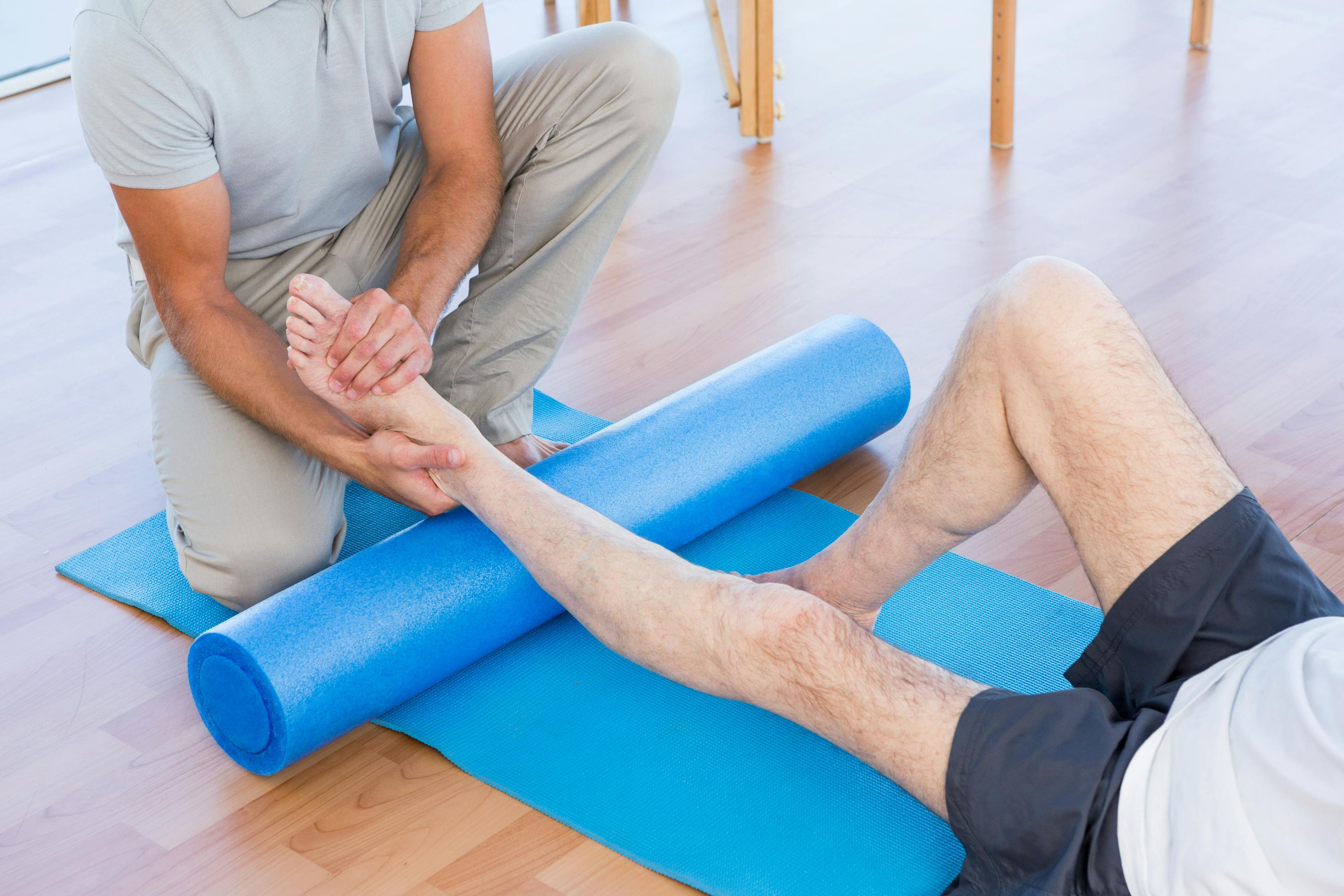
Pro-Tip: The Frozen Water Bottle Hack Rolling your foot over a frozen water bottle provides a dual-action treatment. You get the mechanical massage of a ball or roller combined with cryotherapy (cold therapy) to reduce inflammation. It is a highly effective way to manage the swelling associated with calcaneal bone spurs after a long day of activity.
Success Timeline and Red Flags
Recovery is a marathon, not a sprint. While some people feel quick heel spur stretches for standing all day provide immediate relief, the long-term resolution of symptoms takes time. Clinical data suggests that 90% of patients see improvement within a year if they stick to a conservative routine.
For the best results, perform your chosen heel spur stretches 2 to 3 times daily. Consistency is the single most important factor. If you skip days, the tissue has a chance to tighten back up, resetting your progress.
However, you must listen to your body. While a "pulling" sensation is normal during stretching, sharp or burning pain is a sign to back off. You should consult a podiatrist or seek podiatric physical therapy if you experience:
- Pain that wakes you up at night.
- Visible redness or heat around the heel.
- Numbness or tingling in the foot (which may indicate a nerve issue).
- No improvement after 4-6 weeks of dedicated stretching.
FAQ
What are the most effective stretches for heel spurs?
The most effective stretches target the lower leg and the bottom of the foot. Specifically, wall calf stretches for the gastrocnemius muscle and manual toe extensions to lengthen the plantar fascia ligament are the gold standard. These exercises reduce the mechanical tension pulling on the heel bone.
Can stretching help dissolve a heel spur?
Stretching will not physically dissolve the calcium deposit of a bone spur. However, it addresses the tension and inflammation that cause the pain. Since many people have spurs without pain, the goal is to return the foot to an asymptomatic state where the spur exists but no longer causes discomfort.
How long does it take for heel spur stretches to work?
While you may feel temporary relief immediately, lasting results typically take 3 to 12 months of consistent daily practice. Statistically, about 85% to 90% of patients find full relief within this timeframe through conservative methods like stretching and proper footwear.
How many times a day should I perform heel spur exercises?
Ideally, you should perform these exercises 2 to 3 times per day. The morning session is the most critical to prepare the foot for weight-bearing, while a mid-day and evening session help maintain flexibility and reduce accumulated strain from standing or walking.
What are the best morning stretches for heel spurs?
The sitting towel stretch and manual toe extensions are the most effective morning options. Performing these before you step out of bed allows the plantar fascia ligament to lengthen gradually, preventing the sharp pain often associated with the first steps of the day.
Do heel spur stretches also help with plantar fasciitis?
Yes, heel spur stretches and plantar fasciitis stretches are essentially the same. Both conditions are rooted in excessive tension along the bottom of the foot and the calf muscles. By improving arch flexibility and dorsiflexion mobility, you address the root cause of both issues.
By integrating these 10 movements into your daily life, you take control of your recovery. You don't have to live with the limitation of heel pain. Start with the morning trio tomorrow, keep a tennis ball under your desk, and stay consistent. Your feet—and your performance—will thank you.